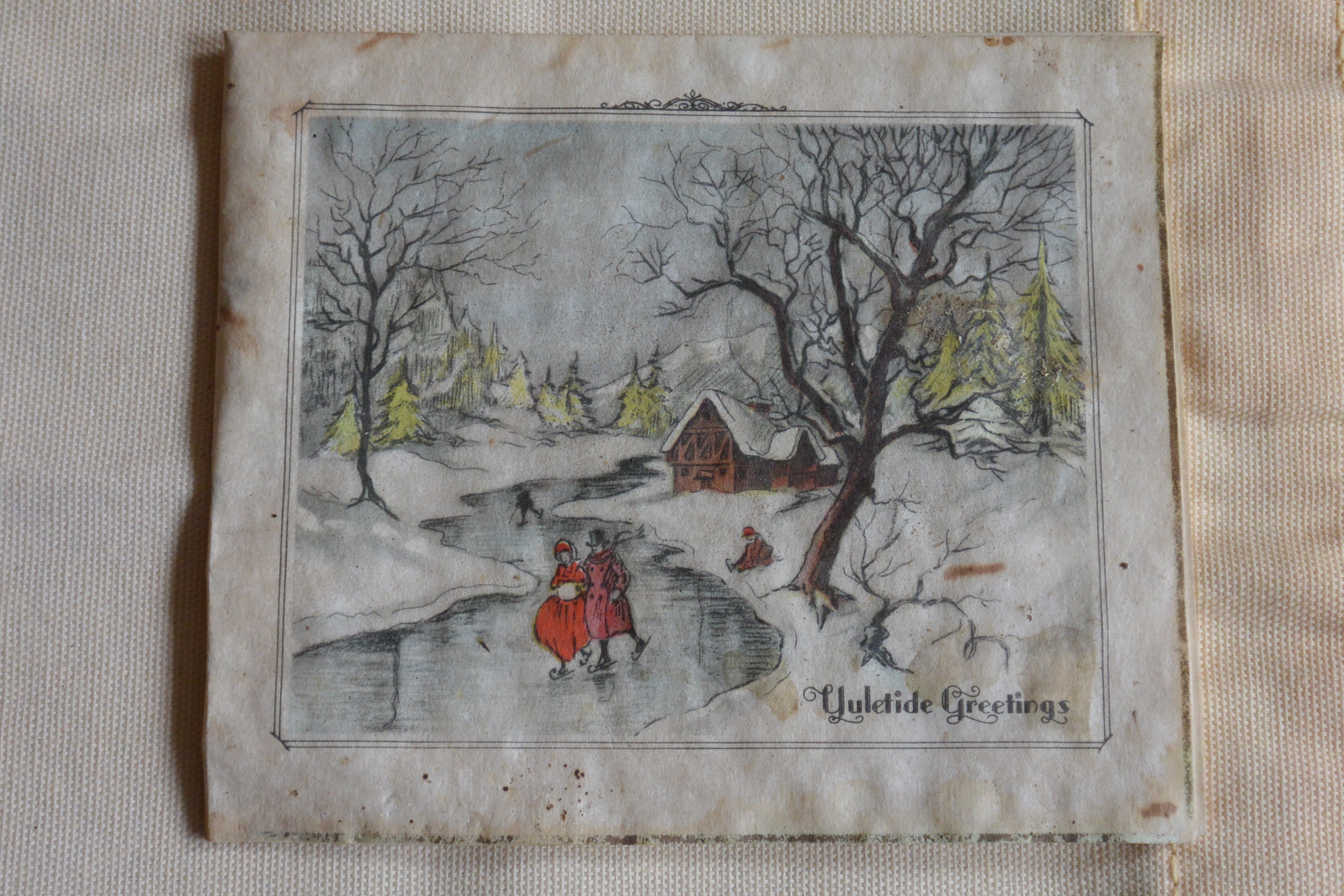
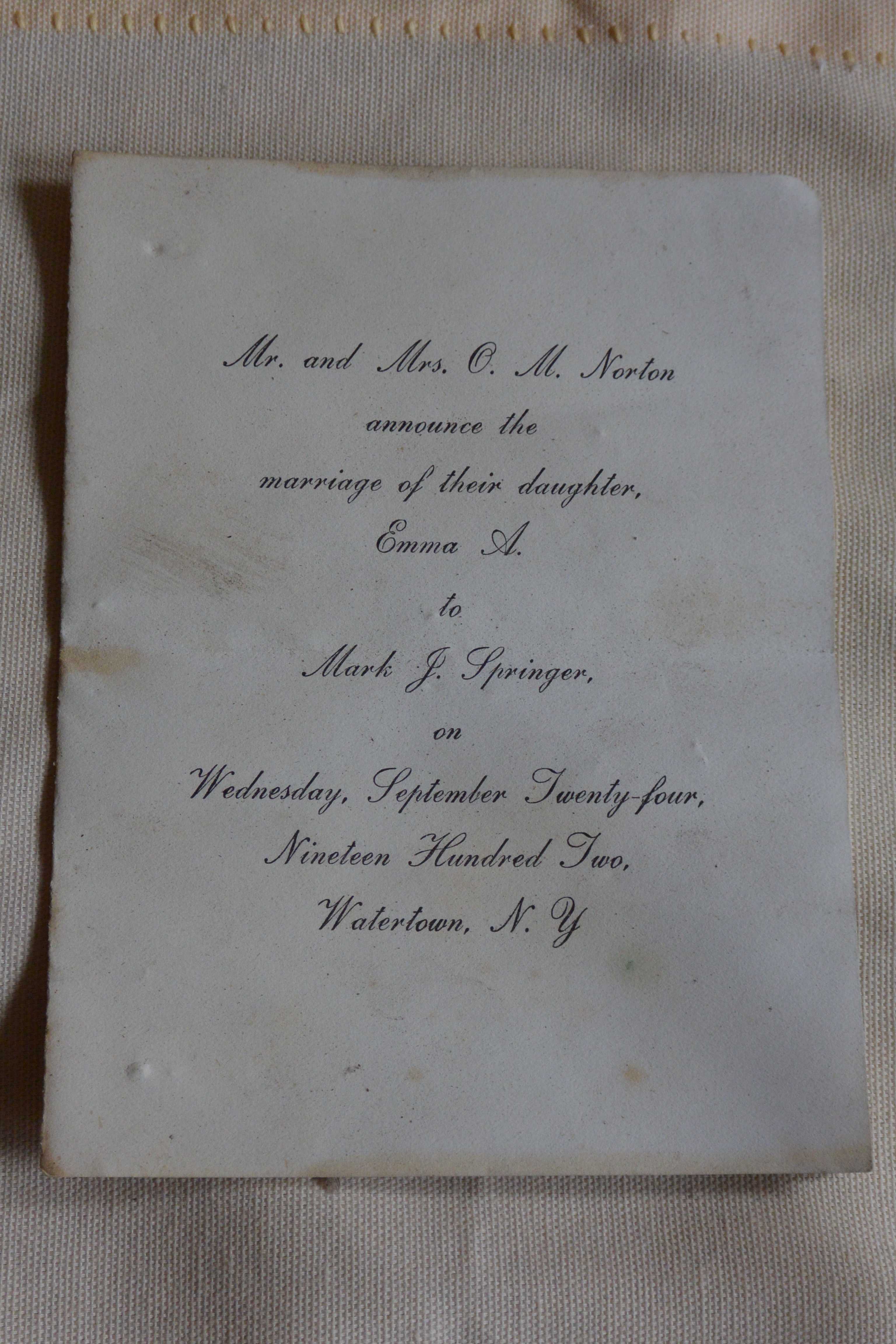
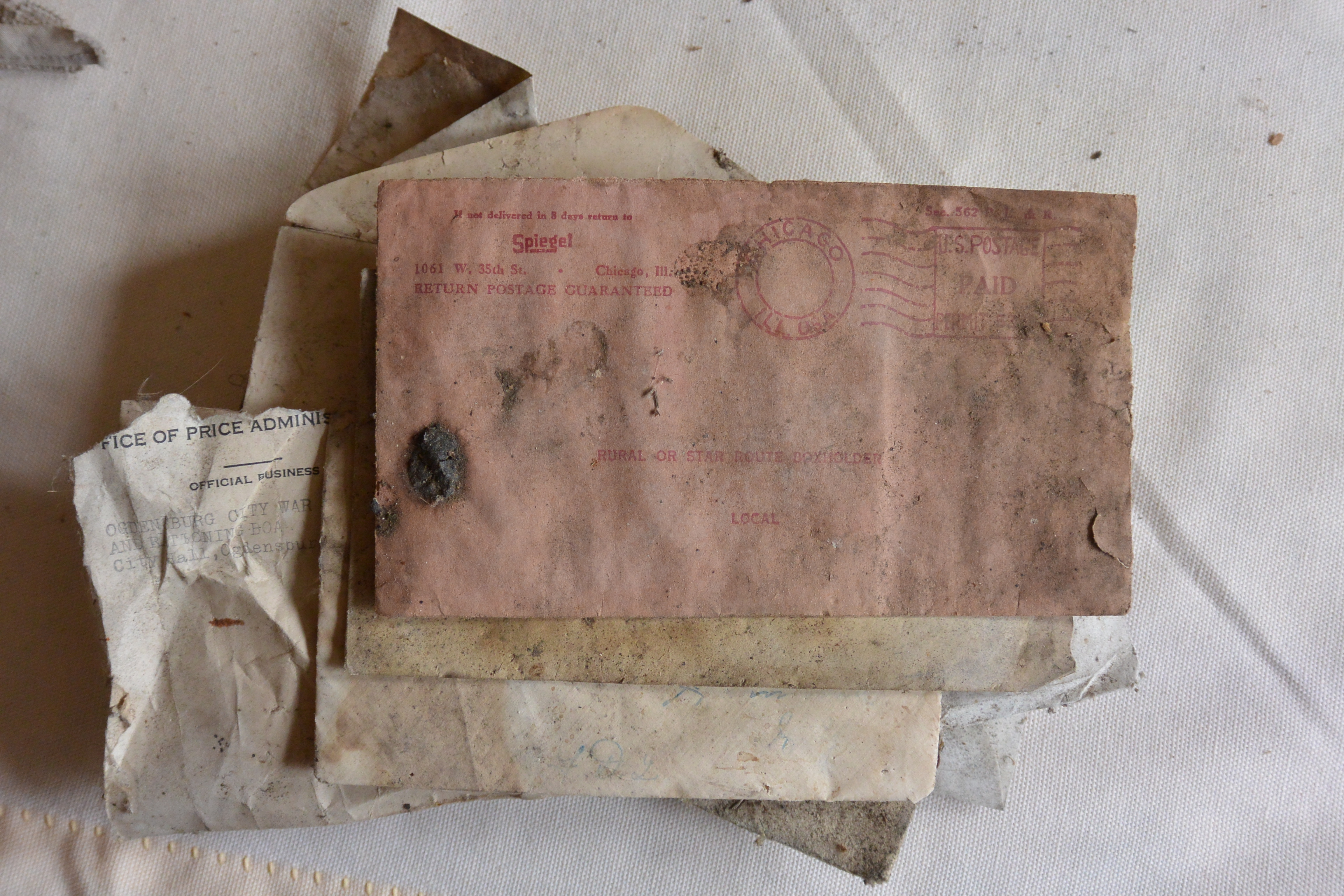
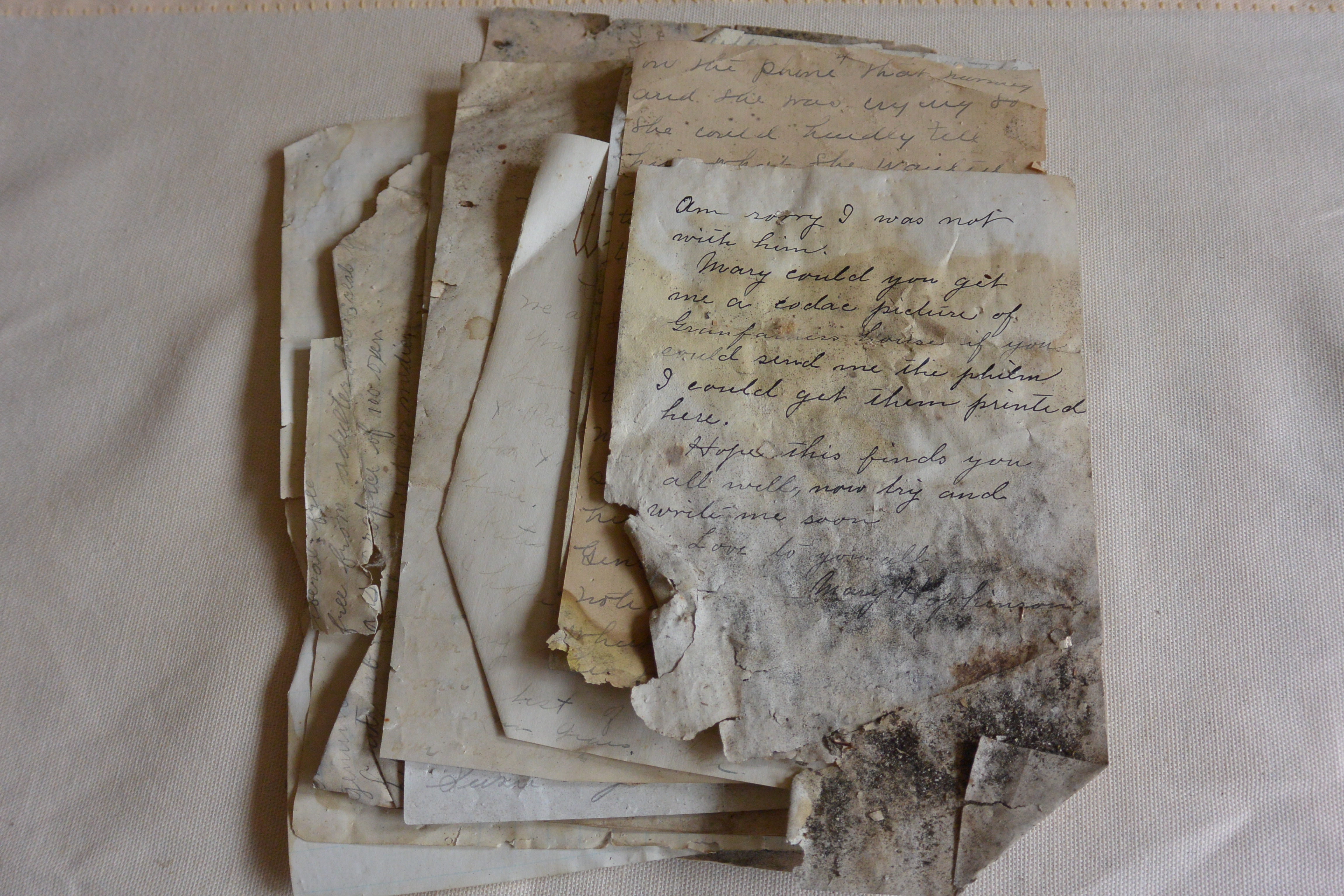
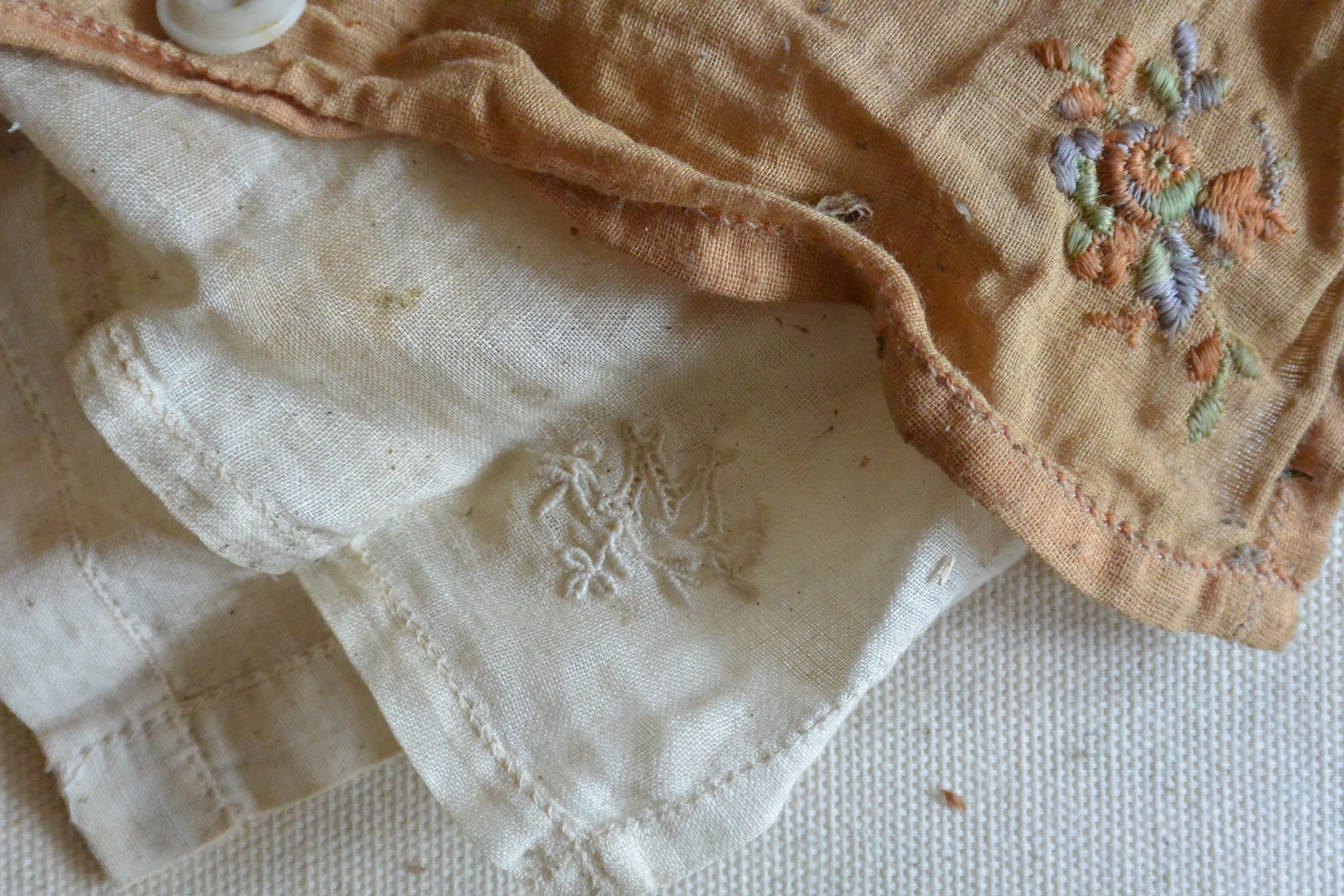
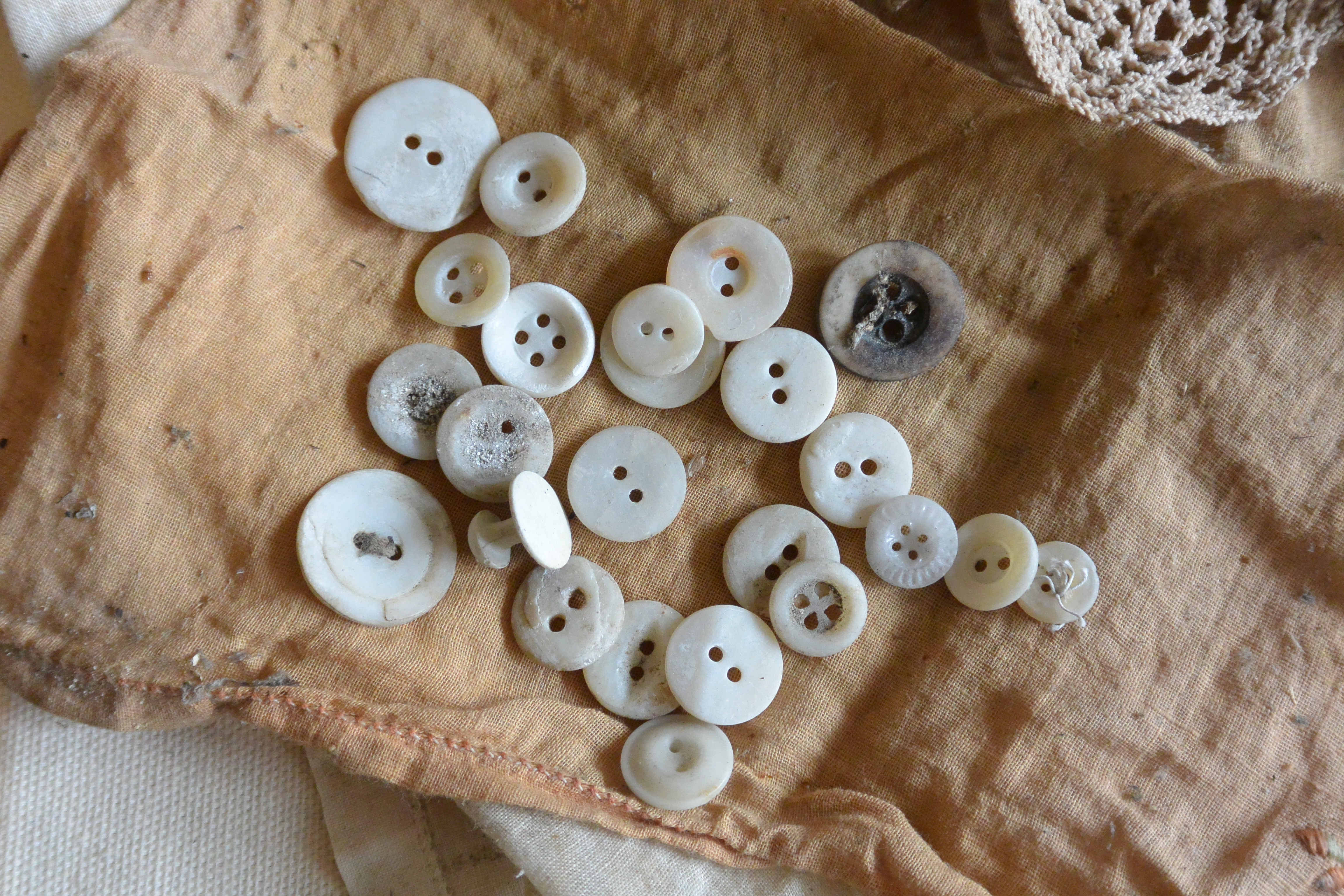
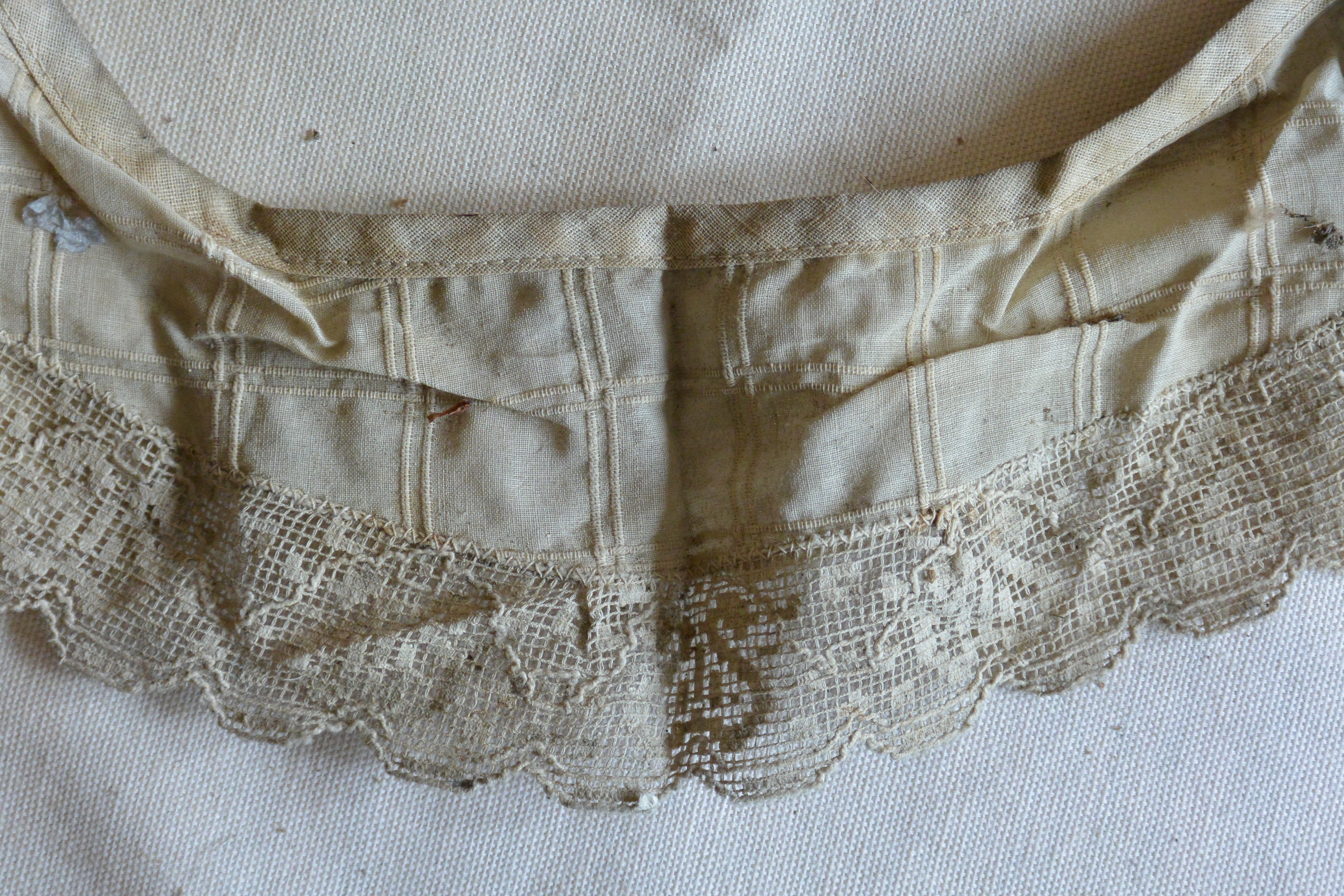
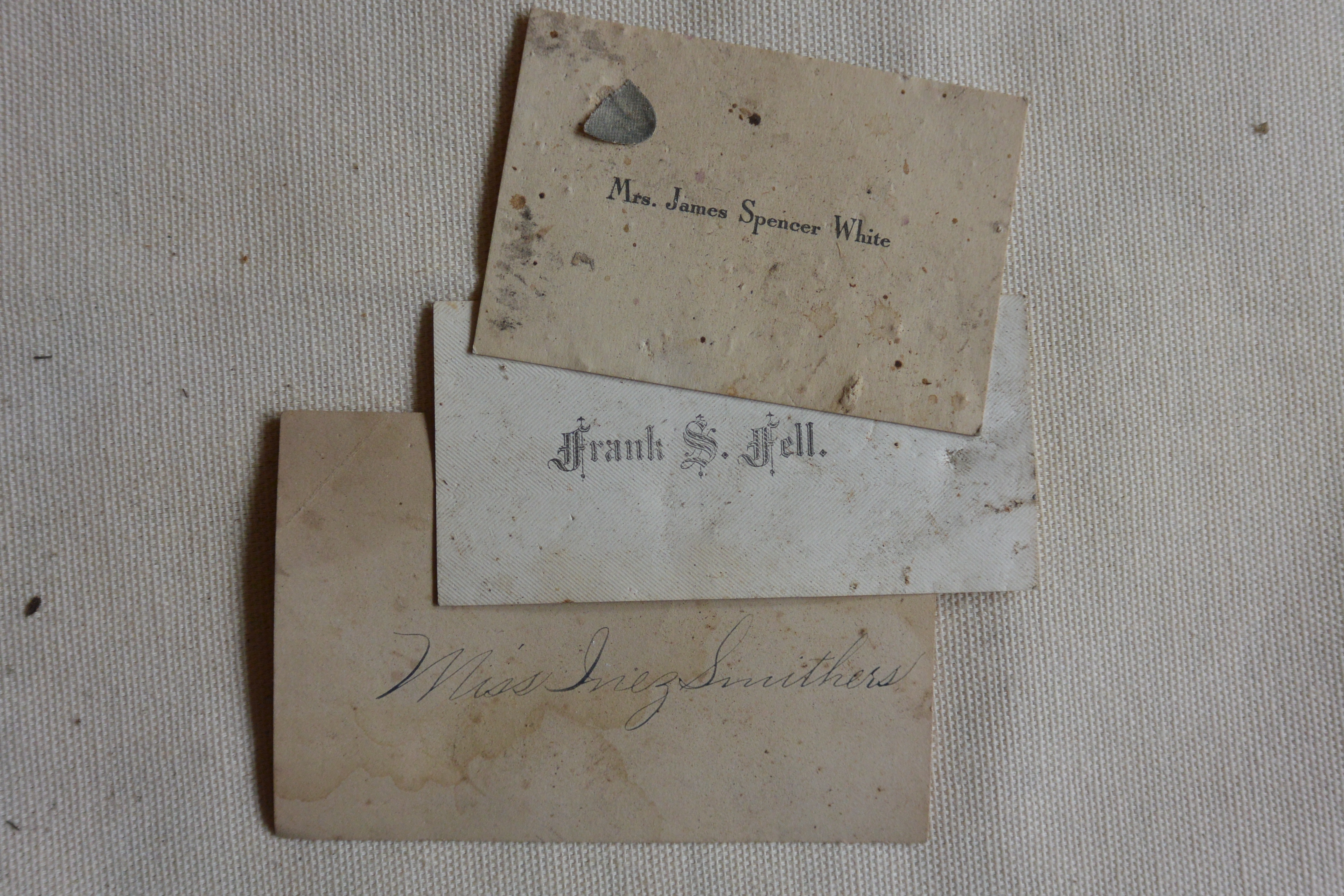
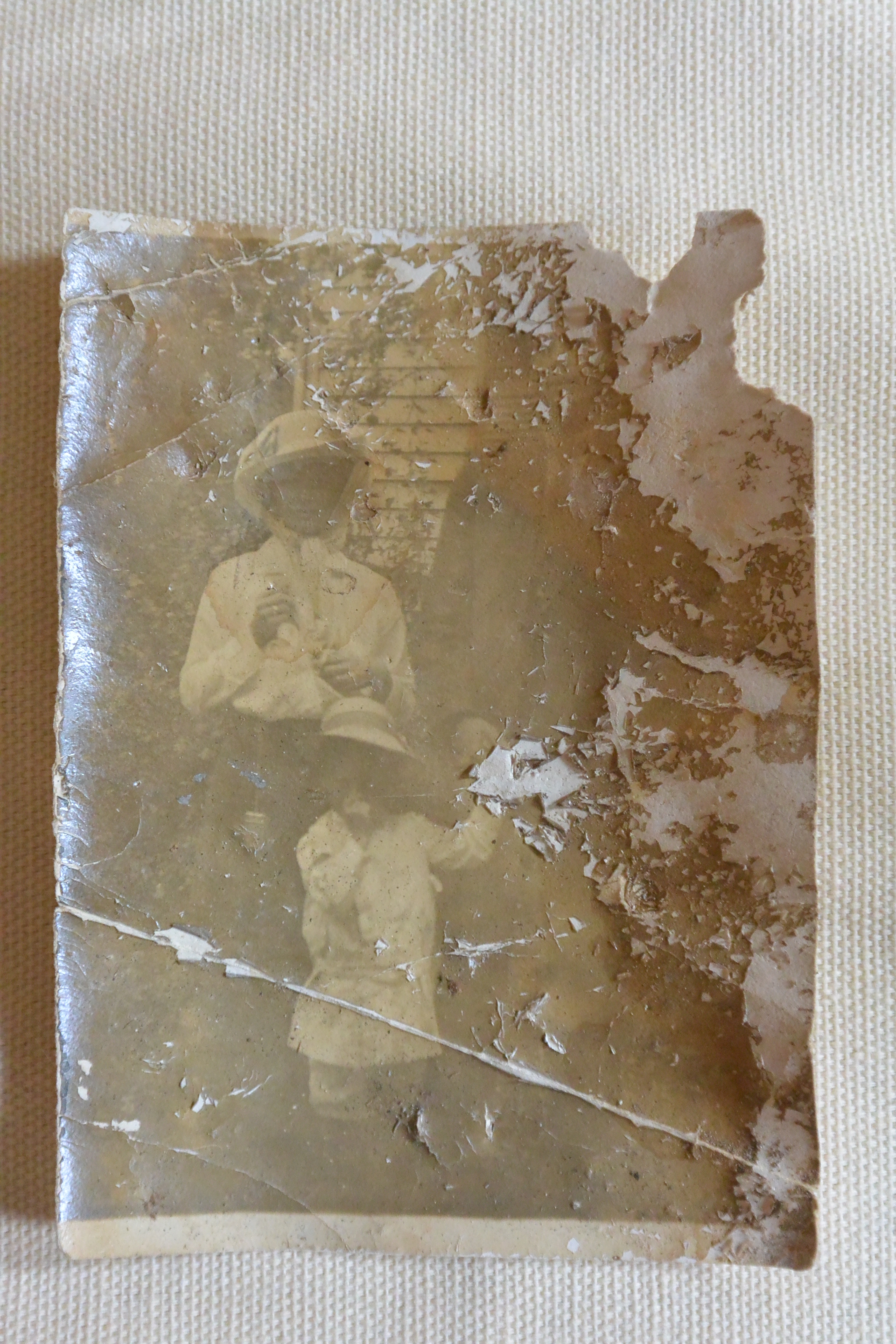
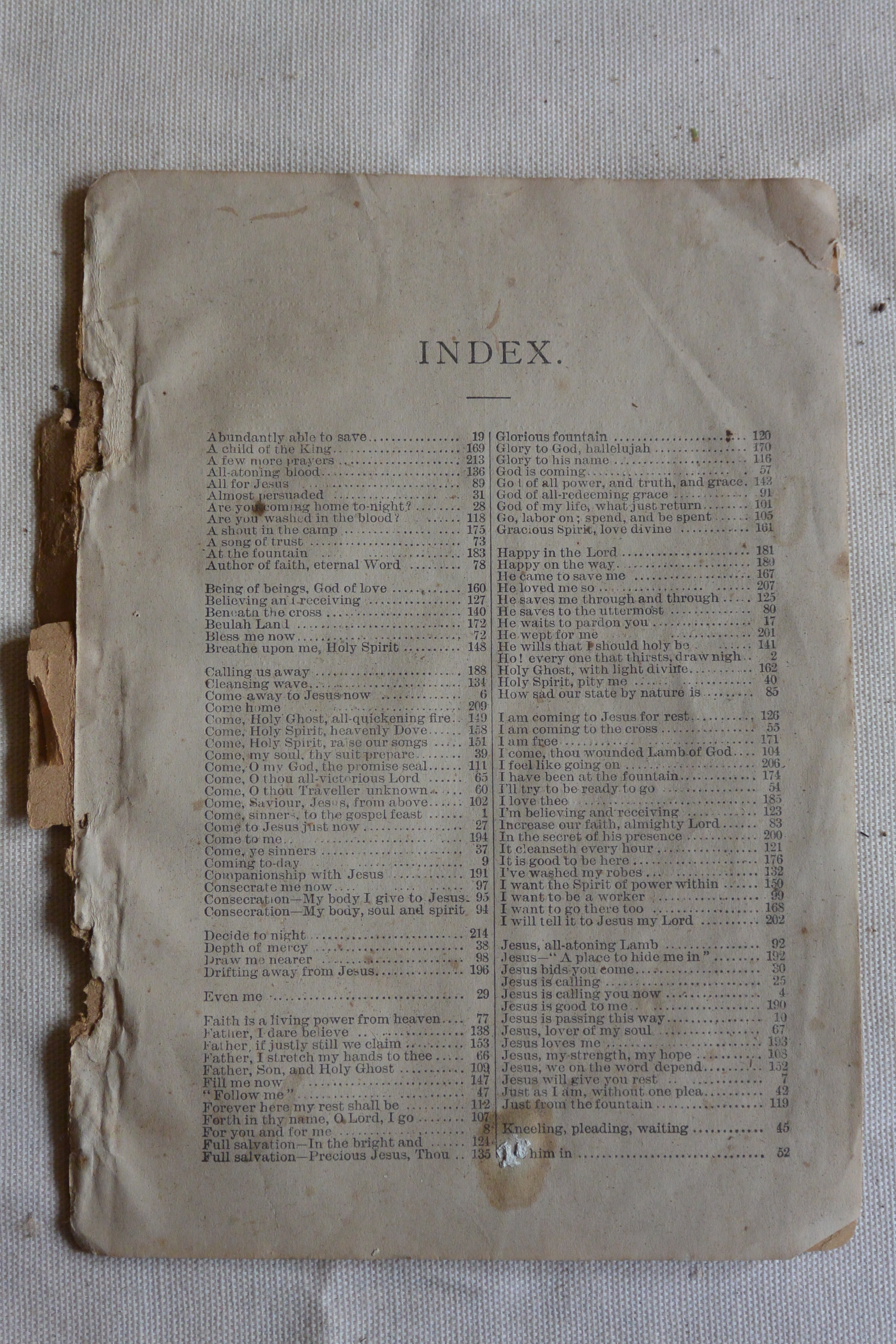
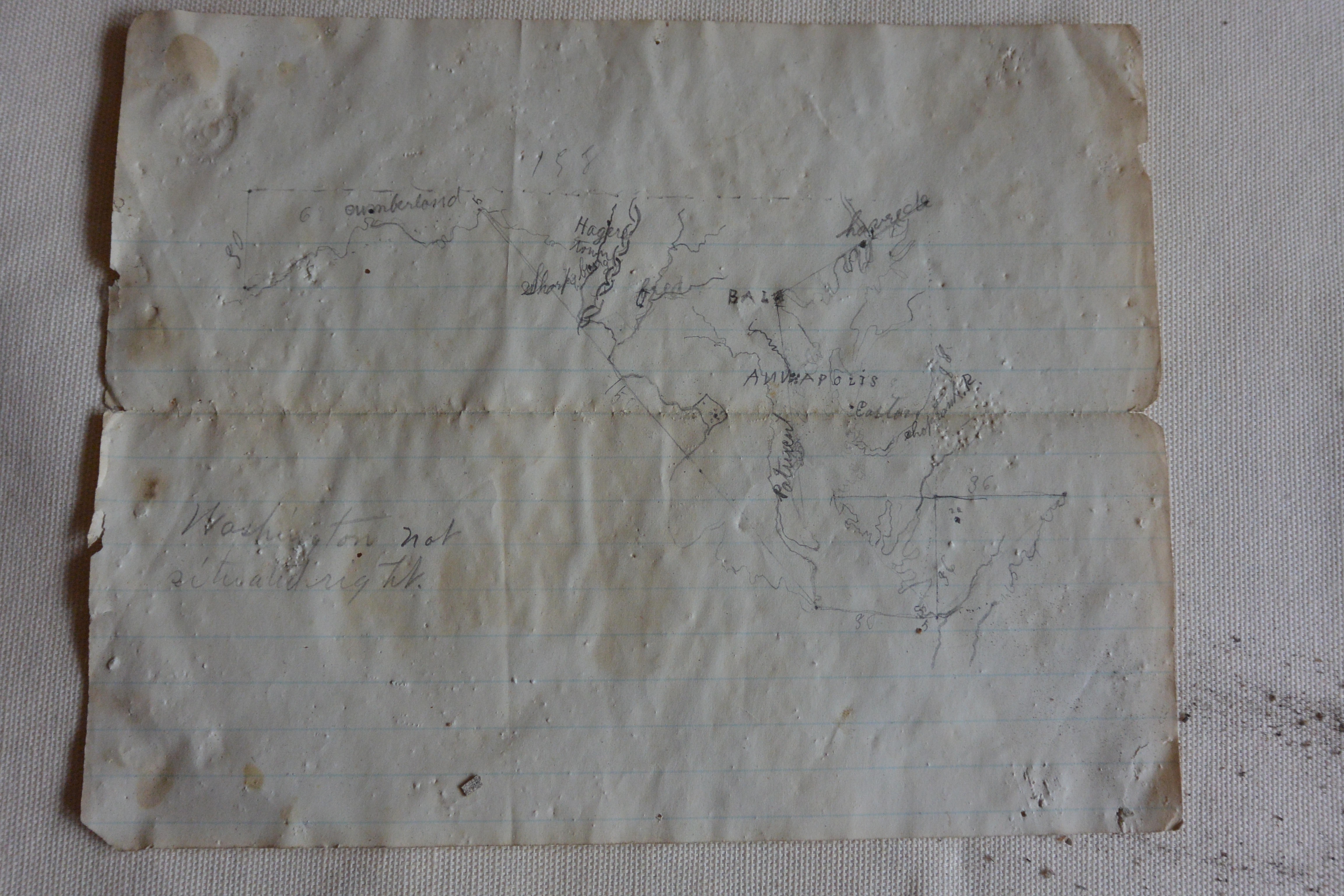
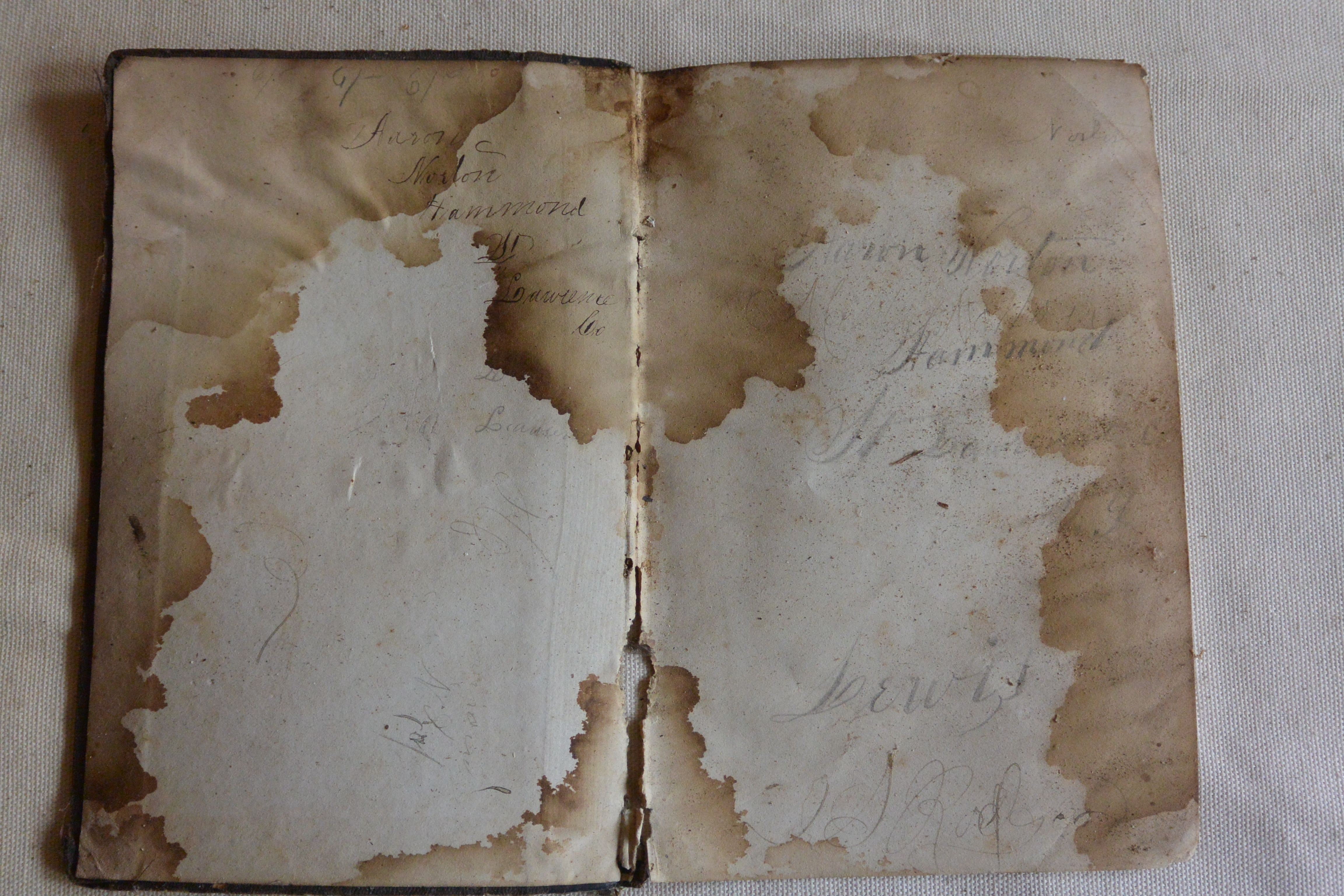
From top to bottom: “Yuletide Greetings”; a marriage announcement, 1902; an assortment of empty envelopes; an assortment of letters and other handwritten scraps; three hand-embellished hankies; a collection of bone buttons; a lace collar; three calling cards; a family portrait, taken in front of the house; fragment from an index; a hand-drawn map of Maryland with the note, “Washington not situated right”; the inner front cover of a book, on which someone has practiced their handwriting.
I had this idea that I would do a good deal of public memory field work when I was up in northern New York last week, but mostly I was stuck inside thanks to a blizzard (Wednesday), bitter cold (Thursday; Friday), and heavy snow (different from a blizzard; Saturday). But I did manage to visit a house that has been empty my entire life, and I also interviewed a 94-year-old woman named Agnes, who said that she couldn’t remember anyone ever living in that house, either.
The house was stripped of fixtures and furniture long ago, but scattered throughout its rooms was another kind of debris—letters, postcards, empty envelopes, newspapers and clippings, photographs, calling cards, some handmade things—which, taken altogether, might have been at one time one small box of personal mementos left behind for mice and wind to dismantle and disseminate.
My mother and I collected as many of these things as we could before our hands stopped wanting to work in the cold. I’ve been doing this for about a year now—assembling material records of the things left behind in uninhabited houses in my town—and most of you know by now that I’m a collector/keeper of various text-based, personal, and familial archives anyway. Most of these archives have come into my possession by accident, or I’ve composed them without too much forethought, but the house archives are conscious gatherings/assemblages. I feel, for some reason, reluctant to conceptualize this work, to say why I am doing this or to what end. Suffice to say: making these records is part labor of love, part labor of anxiety (these places can disappear overnight), and part field research of the repositories and materialities of history and memory.
I often think of these words from Johanna Drucker: “It is the capacity of material documents to record change that makes them such believable witnesses” (“The Future of Writing in Terms of Its Past”). The content of these documents, the still apparent if fragmentary context of their original purpose, serves as one kind of witness, while the changes wrought upon them by their own decay serves as another, and it is the layering of these kinds of witnessing—the layering of different kinds of time, of history, of weather, of human and animal presence—that makes them particularly poignant for me.
In another essay in Figuring the Word, “The Art of the Written Image,” Drucker writes,
Memory serves us well through this material and returns embodied as the witness to our having made certain moments into a record on the page while the temporal life of writing aches towards the future, longing for the recovery which is available, again and again, through the physical form inscribed with information in the trace of the material. Writing inscribes many paradoxes and tensions in its materiality—between idea and material, personal experience and social order, logical structures of thought and the illogical record of lived experience.
I would say the same about archives, about the processes of making, recovering, and engaging with archives, all sorts: such work, for me, is always a negotiation, a both-fraught-and-pleasurable reconciliation of the tensions between the logical and illogical—between lived experience and decay—between assemblage and disassembly—between the presence and absence of memory, story, history, context.

One Response to Archive: House.