“Any printed book is, as a matter of fact, both the product of one complex set of social and technological processes and also the starting point for another.”
-Adrian Johns, The Nature of the Book
“Hermeneutic Code…all those units whose function it is to articulate in various ways a question, its response, and the variety of chance events which can either formulate the question or delay its answer; or even, constitute an enigma and lead to its solution.”
-Roland Barthes, S/Z
“All of a sudden it didn’t bother me not being modern.”
-Roland Barthes
I’ve decided to be rather enigmatic with my blog post this week. As I read Johns, I began to doubt my ability to compose something that would highlight its own materials. What does this mean? Certainly, within the modernist art movement, there seemed to be a sense that this question could be definitely answered. For instance, the flatness of a canvas became the content of a work on canvas itself, rather than something that was disguised through perspective. (According to Bazin, this “freeing” of art to pursue what was actually appropriate to its material became possible because of the cinema, which actually allows for a realism with perspective.) Whether any of my examples so far count as examples of writing remains up in the air.
I chose my first two epigraphs because they capture my urge to answer the question posed for this signment definitively, but also my belief that such a question can never be answered definitively. I am not sure how to best highlight the materials of a book, for example. What is most appropriate to a print codex? Johns seems to want to resist some adjectives generally assigned to this material technology, and some claims about historical events that allegedly unfolded because of what the book made appropriate and possible.
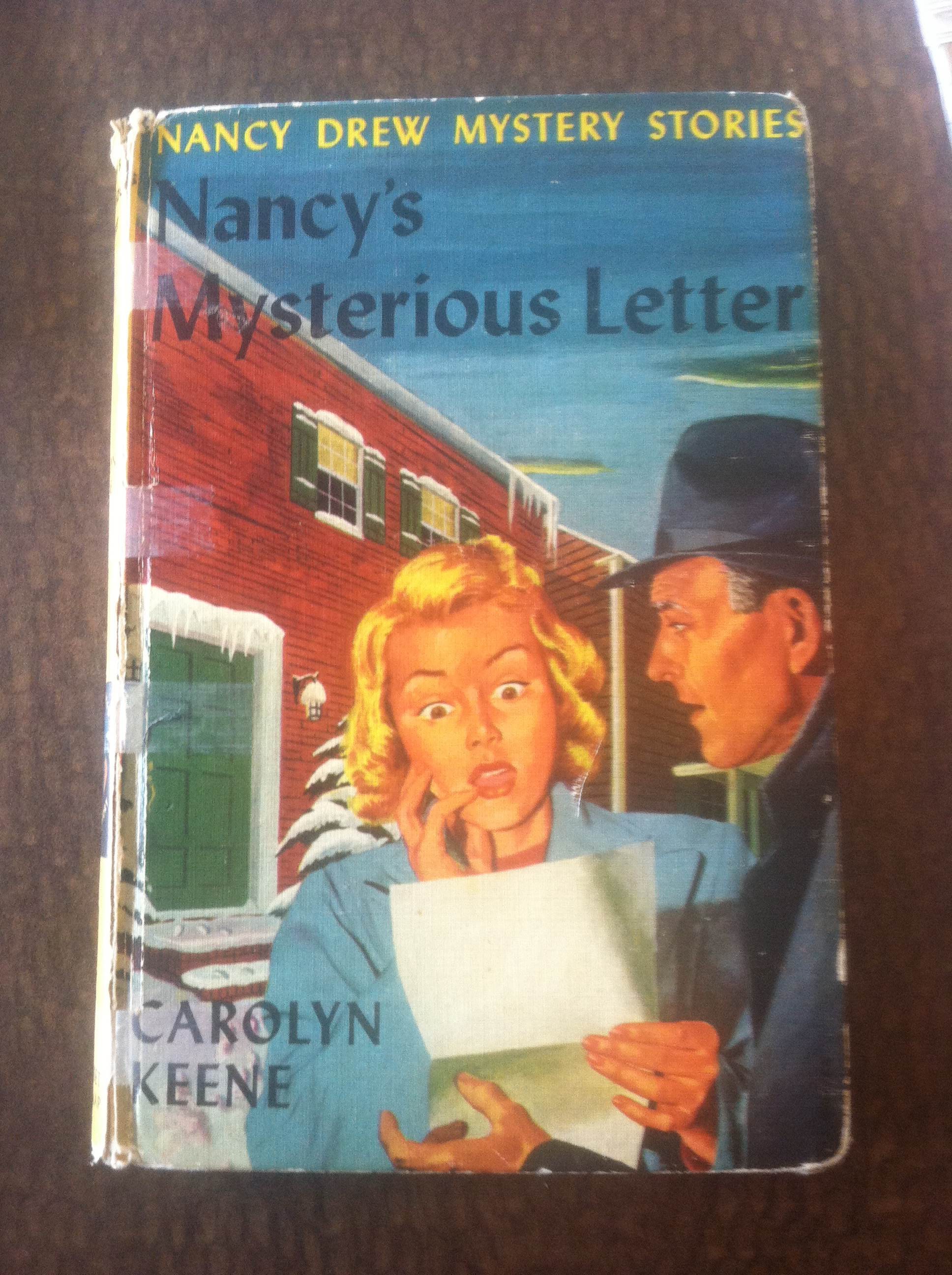
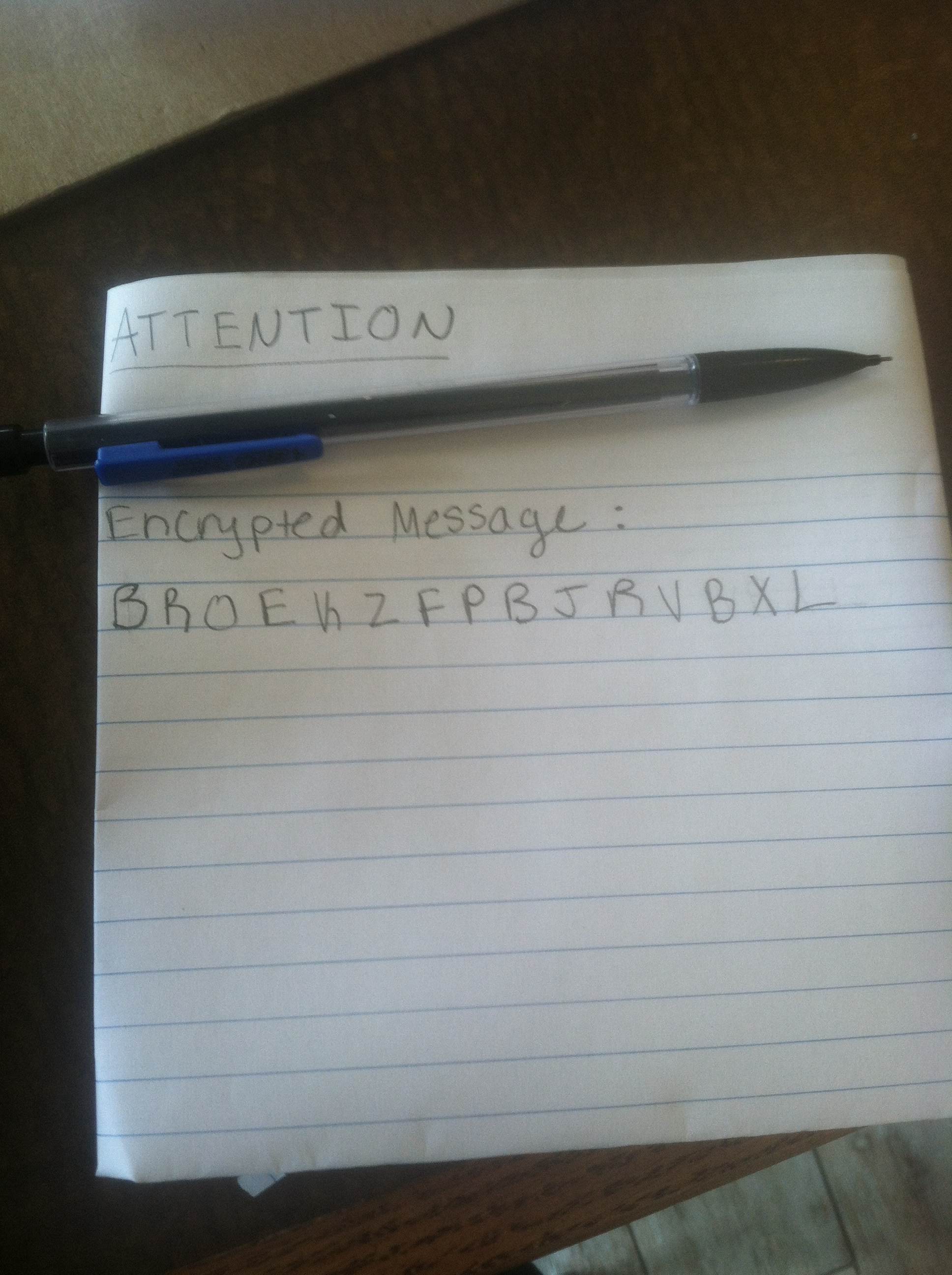
Thinking about many recent claims about digital materials, and debates about what artforms might be appropriate to them, I was (of course) led to the word “code.” Nowadays, code means computer code. But code also used to mean handwritten code, and then print code. Code is a form of inscription that can conceptually exist and work through many technologies. As a child, I read many “Nancy Drew Mystery Stories.” I also have watched many old thrillers. Within these story-worlds, code is often the most prominent kind of writing. It moves the fictional worlds in many ways. Have you experienced such stories? Have you ever witnessed a print book being used as a key to discovering some other message, some other content, which is also the content of the book, written through the book?
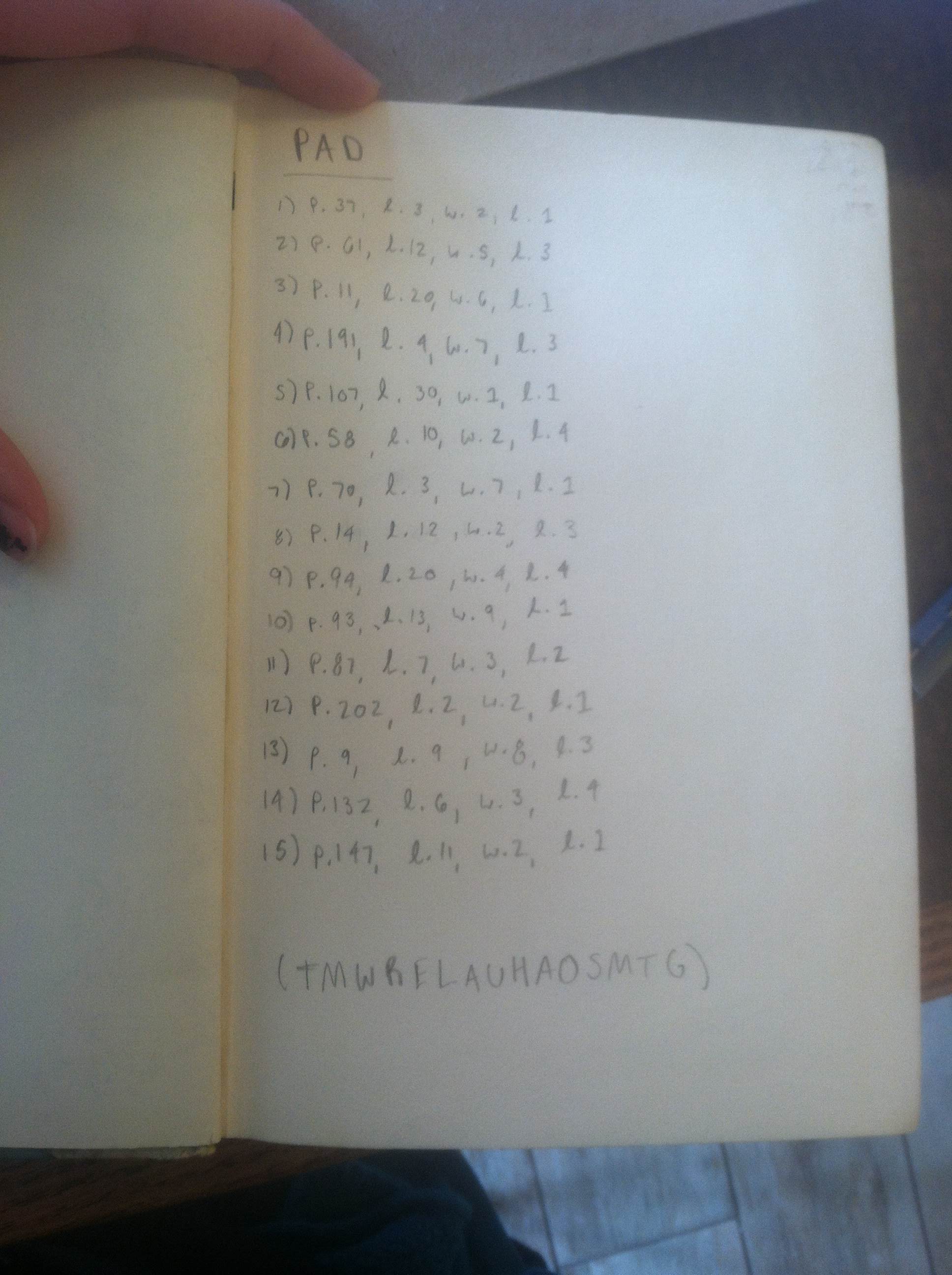
Perhaps, during wars and political intrigues, a print book was not often actually used as the generative “key” to an encrypted message—probably too cute. However, my point might be that direction through encrypted inscription is not only appropriate to digital materials. One could argue that it is most appropriate to digital materials. But what materials and technologies enabled this kind of writing originally? What made cryptography seem “appropriate” to the human mind? Are there ways or methods of reading and writing, and thinking about reading and writing, that seem to connect to this act of inscription? And how does this question relate to the “History of the Book,” which is also often the history of the printing press, and the history of something called “modern society”?
PLAIN TEXT: HERMENEUTICCODE
