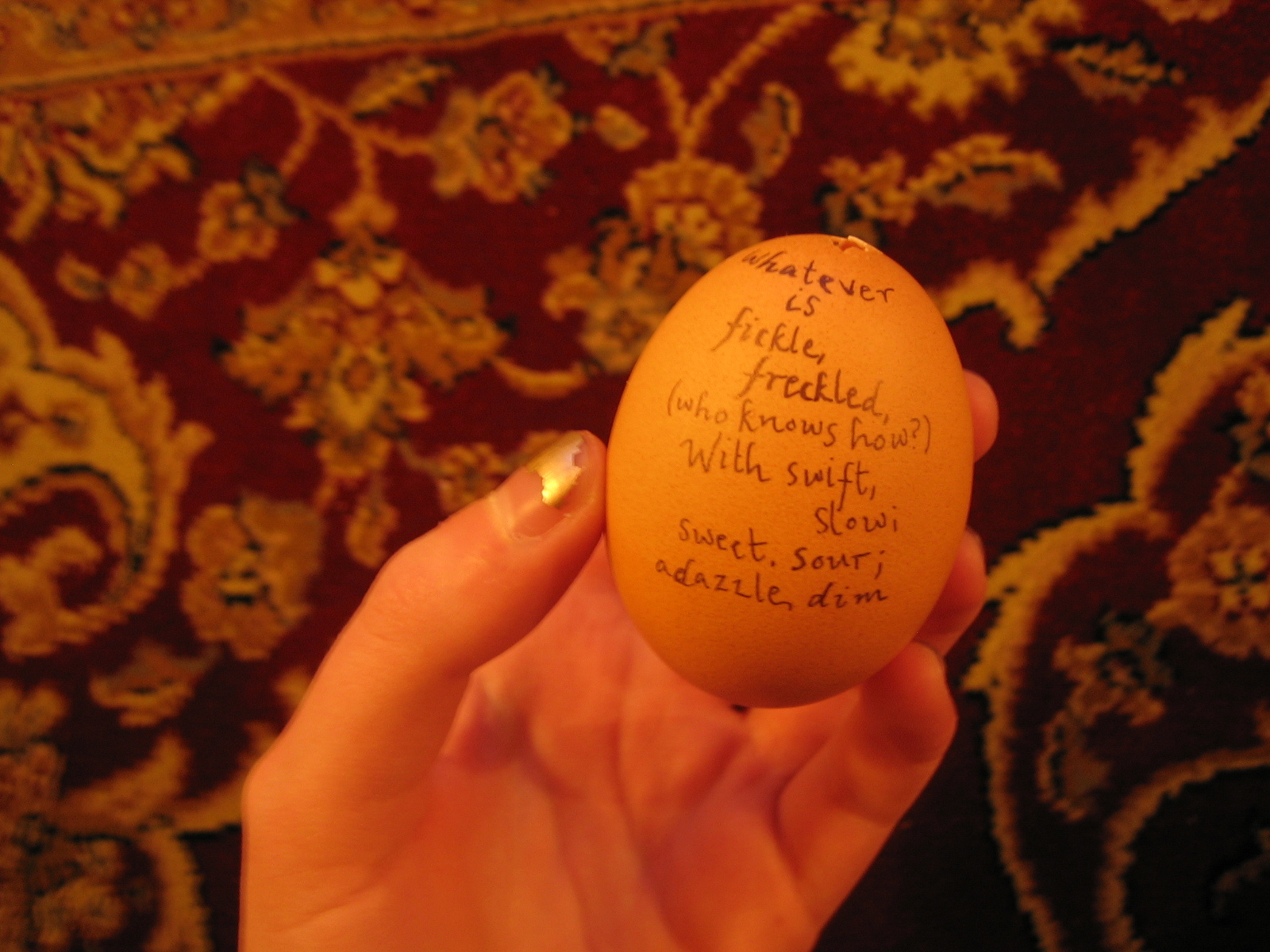
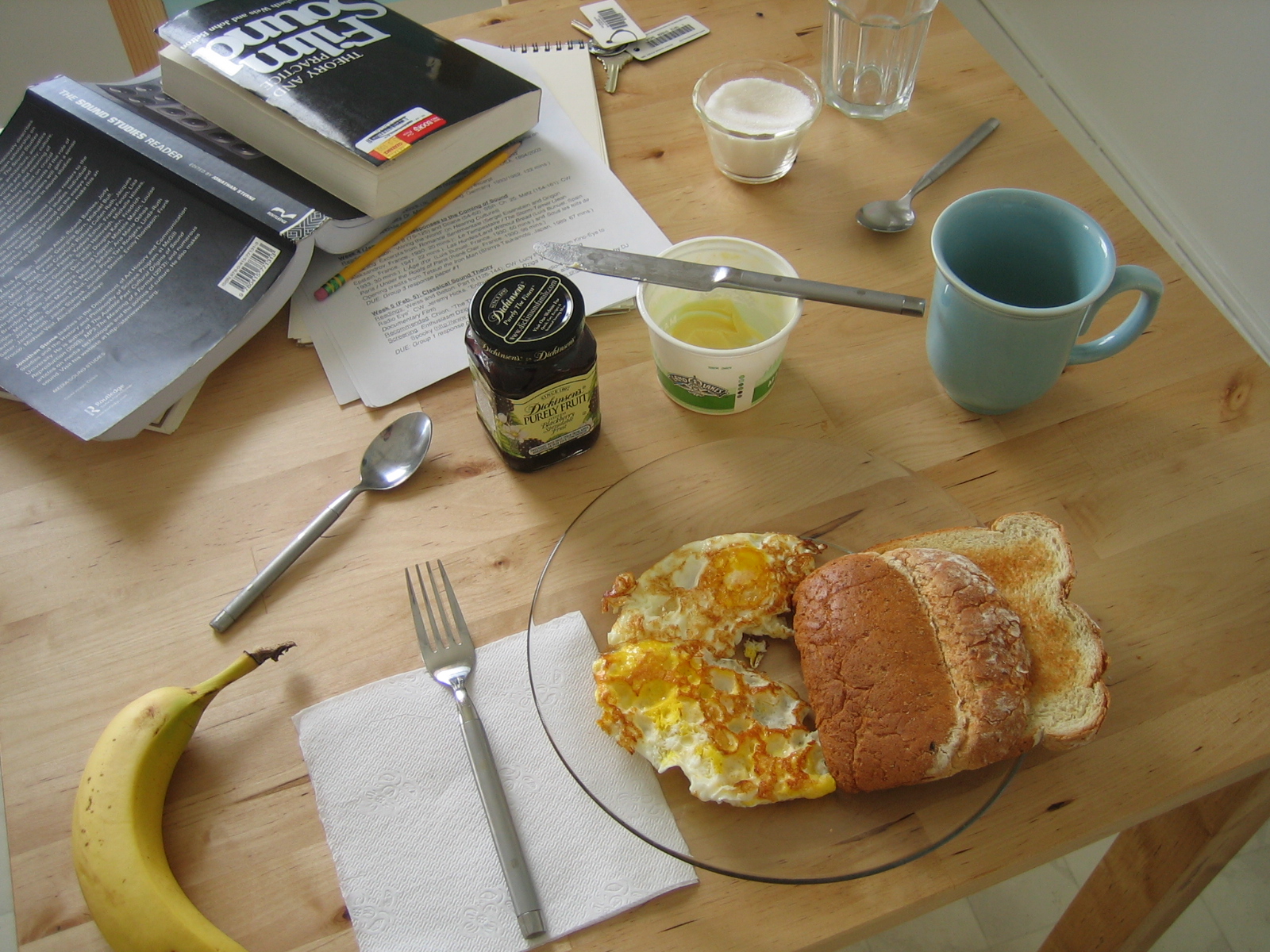
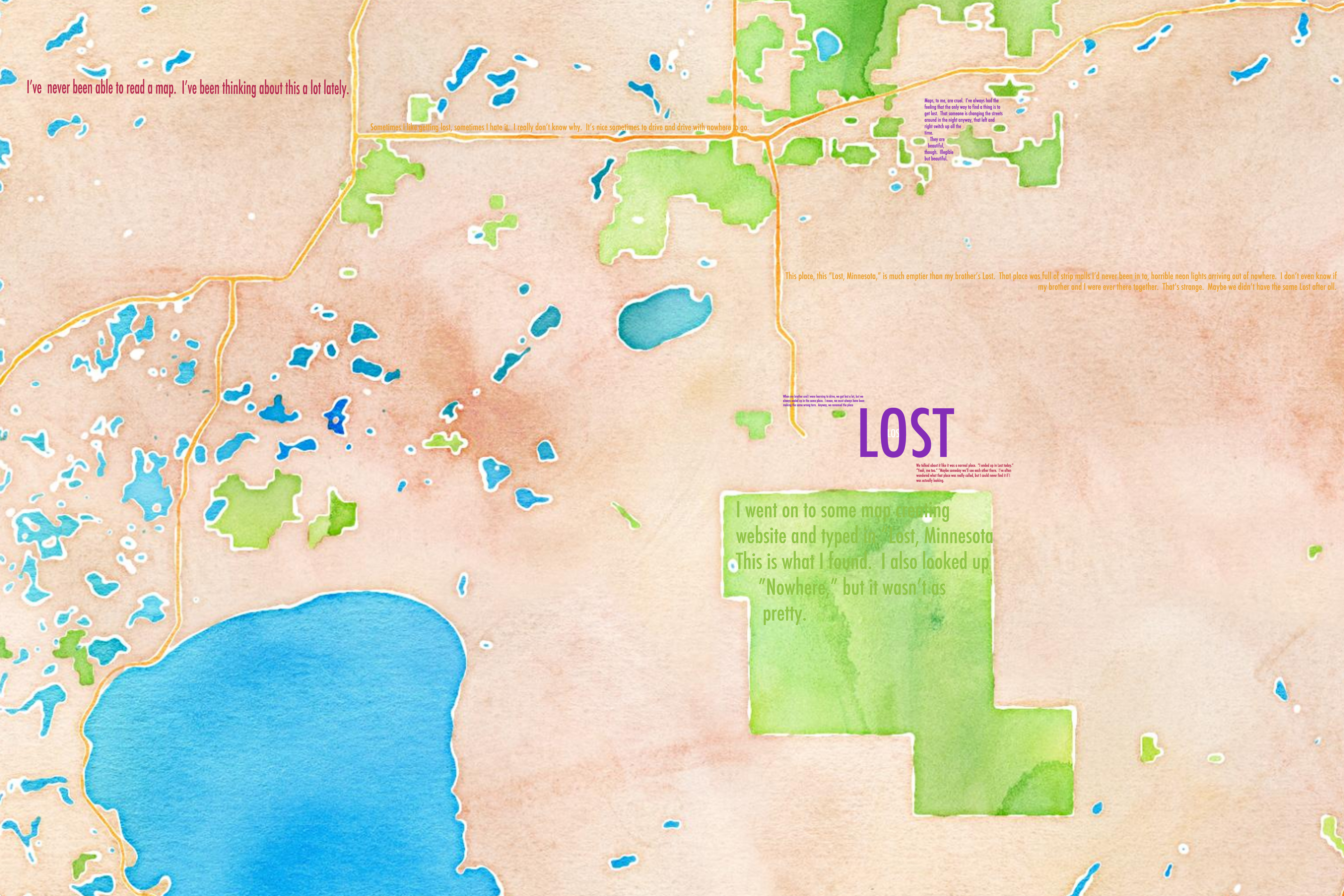
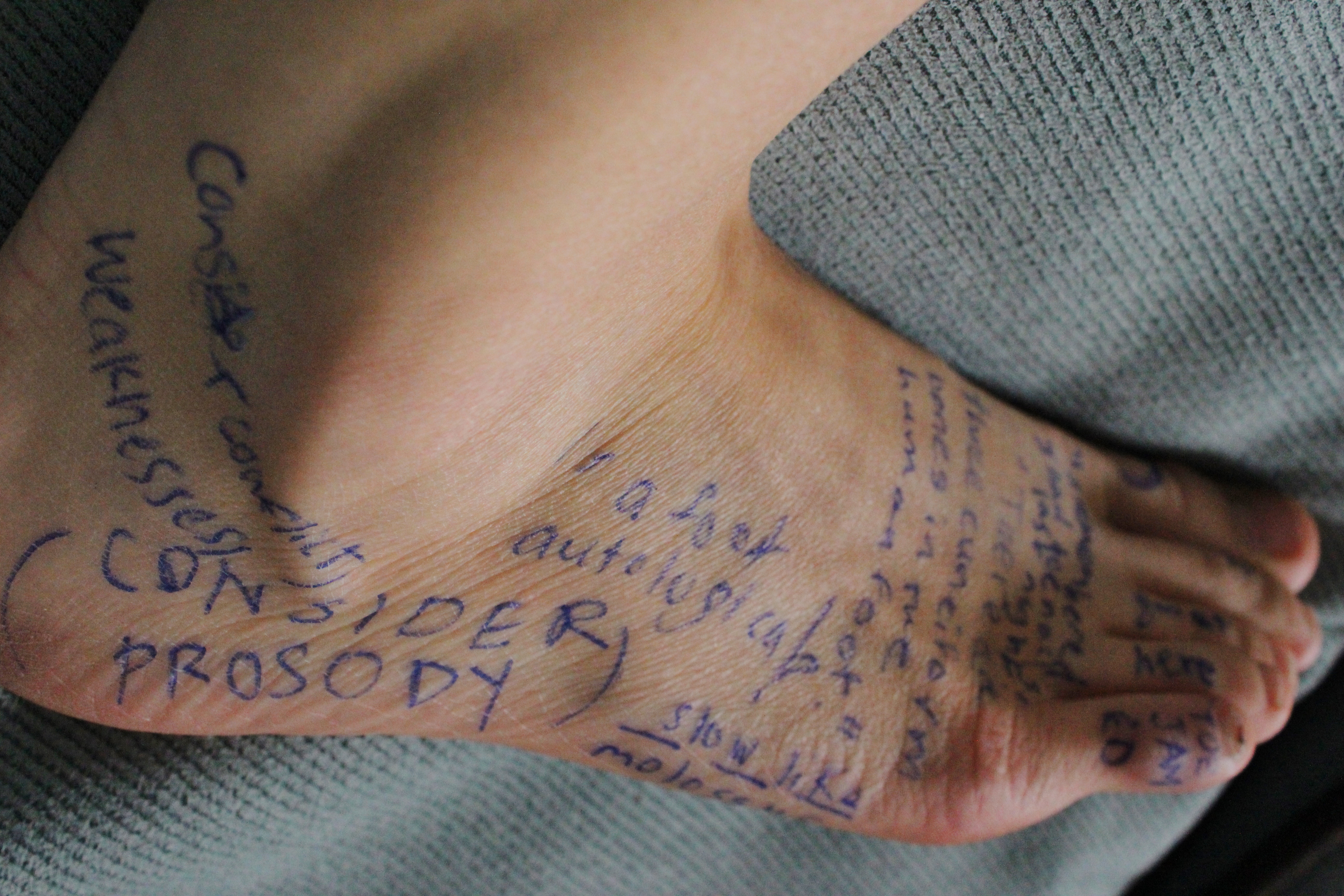
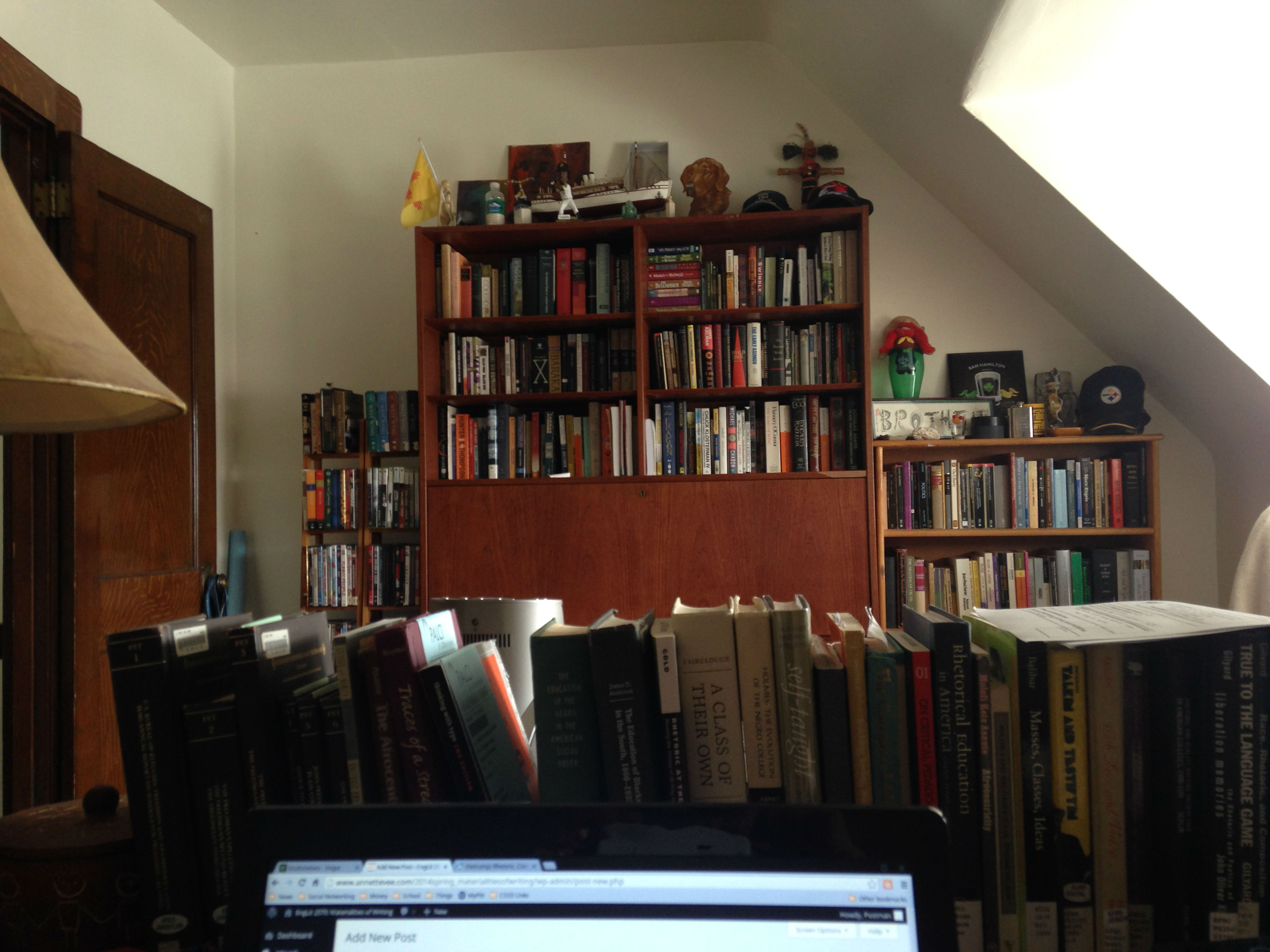
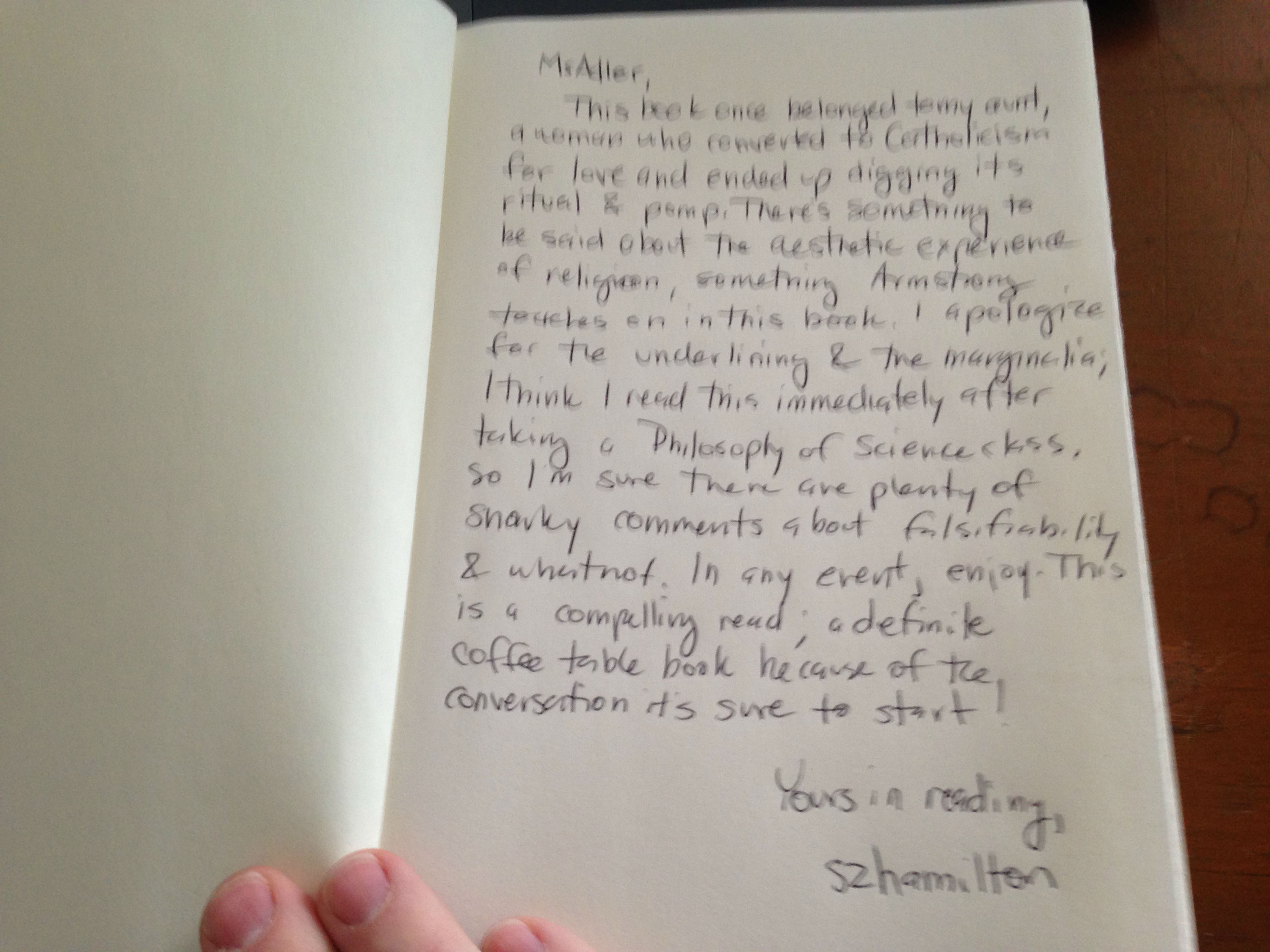
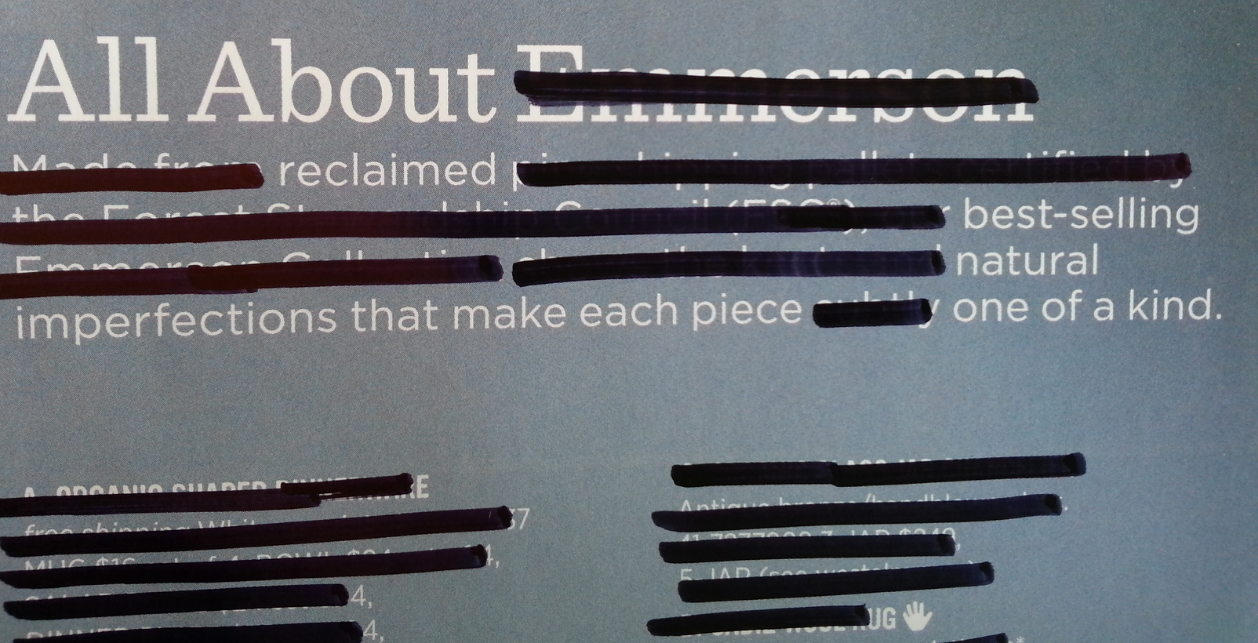
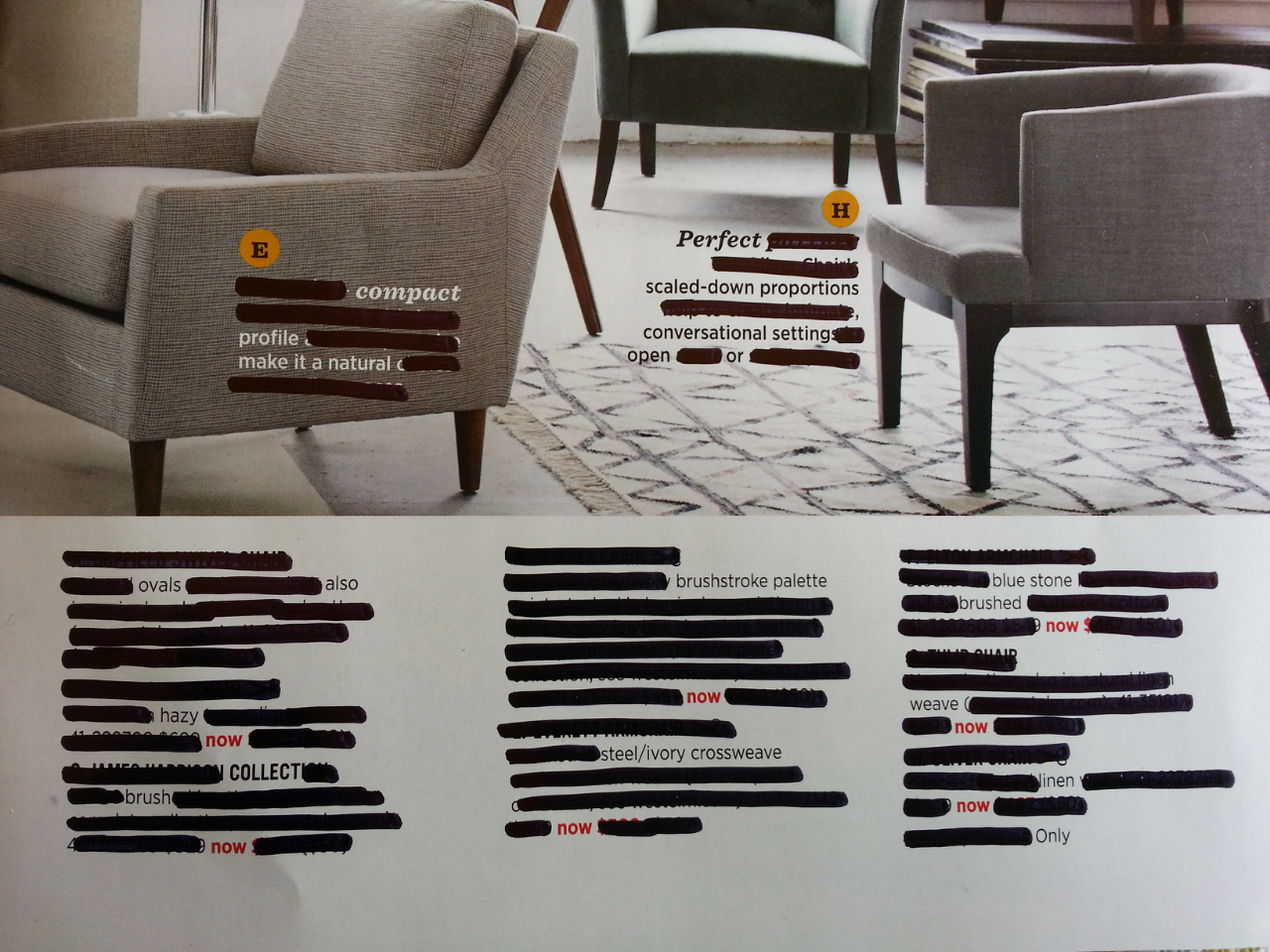
Besides a recent bother I had knocking around about whether binary code is rhetorical or not, I’ve also been thinking about divination, natural religion, and how to read the world.
Or, thought another way: how the world communicates (in a totally nonmetaphysical way)
to us and how we read those signs.
Here’s some of the first chapter of Wallace’s The Pale King:
Some cows come overhead then, three of four, not a murder, on the wing, silent with intent, corn-bound for the pasture’s wire beyond which one horse smells at the other’s behind, the lead horse’s tail obligingly lifted. Your shoes’ brand incised in the dew. An alfalfa breeze. Socks’ burr. Dry scratching inside a culvert. Rusted wire and tilting posts more a symbol of restraint than a fence per se. NO HUNTING. The shush of the interstate off past the windbreak. The pasture’s crows standing at angles, turning up patties to get at the worms underneath, the shapes of the worms incised in the overturned dung and baked by the sun all day until hardened, there to stay, tiny vacant lines in rows and inset curls that do not close because head never quite touches tail. Read these.
What really strikes me most about this snippet is the number of things being read or up for interpretation. The crows are reading, in a way. The shoe is writing. The worms’ bodies are writing. The horse is inspecting. Etc. Much is going on in the world.
It may seem cliche, but I remember watching old movies and being incredibly jealous of Native American trackers who could pick up a leaf and know which direction someone fled. The ability to know something so large–e.g. the world–and to read it so astutely strikes me as more magical than magic.
Of course, none of these writings are alphabetical. They are symbolic. But is that not a form of writing, too? Do we read logos?
Computer code, to me, seems like just the most sophisticated iteration of the cavewall handprint, and the projection of a website the full image of a horse and bull in motion. The handprint is smaller. On silicon. And the image is shifting. We are still trying to tell other people where the best places to go are, where to avoid, and what we think and believe. But now the cave is in the home, atomized, not unitary.
As a spark off this main fire, I remember the large projection big screen TVs of the late 80s and early 90s, and how if an image was left on the screen too long, it would burn into the screen, effectively ruining it. The same with computer screens. Ironic, I think, that so long ago, permanency was sought after, while we are actively writing more code (think: screen savers) to wipe the permanent away.
Our hands are getting smaller, and the cavewall is getting ever wider.