Sent Writing

Last week I was gchatting with my friend A, one of my closest friends, someone I know from college.  We gchat, text, facebook, tweet, all the time.  But last week she asked me to send her some of my writing, because she hadn’t read anything of mine in awhile, because she enjoys it, and because she said she’s been meaning to get back into reading (in general) and my story would be a good starting place.

So I had one in mind.  I have recently discovered that turning a file into pdf is very sleek looking, as opposed to a docx.  So I converted to pdf and emailed it to her with the subject line “my story” and the body writing “pdf for fancy”.  I bring that up because I feel like with most other people I would put something sort of formal, even if it was short like: “Hey, so here’s my story that you asked for.  Hope you enjoy it!” But we’ve known each other for long enough and talk nearly every day so I can just say some silly thing to her.

While it looks “better” (why I’d tried it out was someone had told me to send resumes as pdfs instead of docxs (unless otherwise asked) because it looks “more professional”) I am not sure if pdf is a more optimal reading format for a story than docx.

I haven’t heard back from her yet about the story, because she’s busy with her job and her life of course.  But sometimes I wonder if when something is sent as a digital document, it’s just easy to forget about it, as more and more emails pile up on top of that email.

Posted in Uncategorized | Comments Off on Sent Writing

Wait a minute.


stuff on cats

Dear Materialities of Writing,

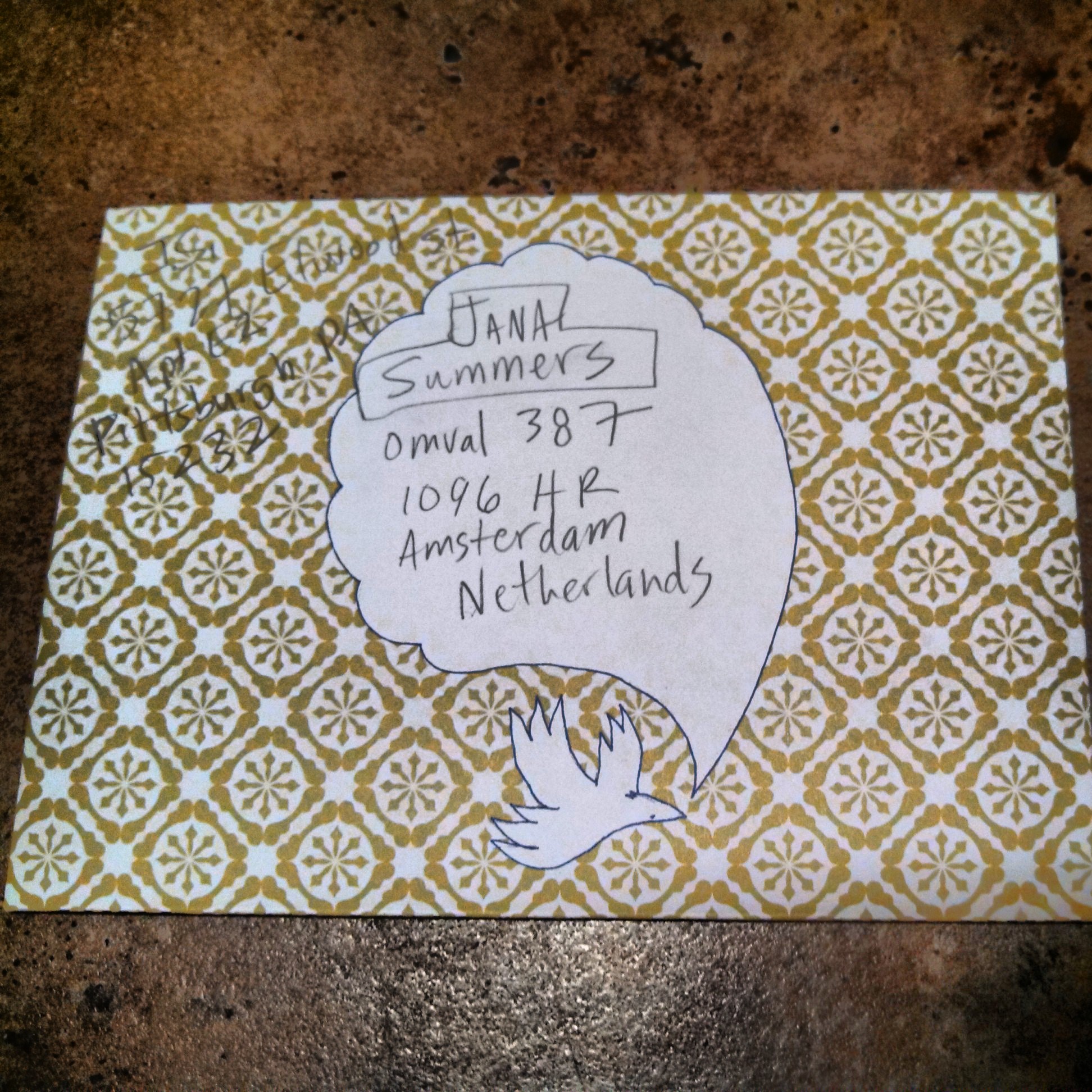
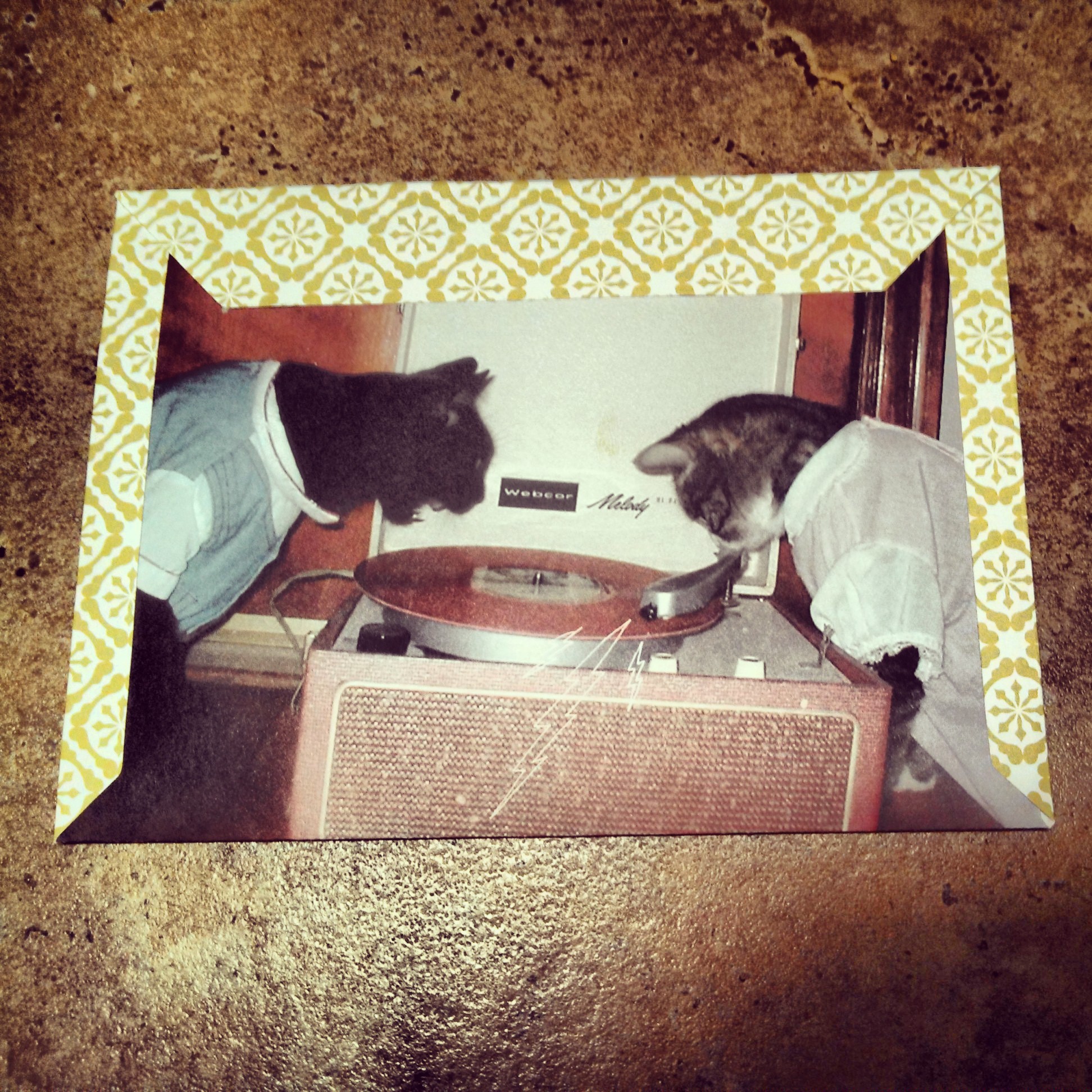
I used to write letters ALL the time, before the internet.  I was a teenager in the early to mid-nineties, when there was internet–but none for me, until 1998.   I’ve had this Stuff On My Cat stationary for way too long.  I almost never write letters anymore.

I forgot how my brain works inside of letters.  Unless you enjoy erasing, and clearing away eraser detritus with so many swipes of the hand, you’re not gonna revise a handwritten letter.  You have to revise by inventing new material to retroactively revise what you wrote before, without actually having to erase, if that makes sense.  You have to qualify what you already said, instead of erase.   Now, in an email or text, it’s so easy to just erase and start over, be more direct.  But you lose something in that clean transaction.  Like the part of you you maybe didn’t want to reveal after all, so backspace.

letterhead


That’s why.  The handwritten letter is more intimate.  It’s not just the handwriting and the actual ink or actual lead.  It’s more like a real conversation, where you have to say wait a minute, that’s not what I meant, I meant something more like X, or maybe Y.  Perhaps Z too.  All of those things.

I felt like a more complex person in the letter I handwrote this evening.

Maybe.


Love,

jen

Posted in Uncategorized | Comments Off on Wait a minute.

Materialities Mix

I absolutely love sending and receiving mixed CDs — so I used this ‘signment as an excuse to compile a materialities/mail-related mix to send to you via this blog.

Link to mix (it wouldn’t embed for some reason): http://grooveshark.com/playlist/Materialities+Mix/96473783

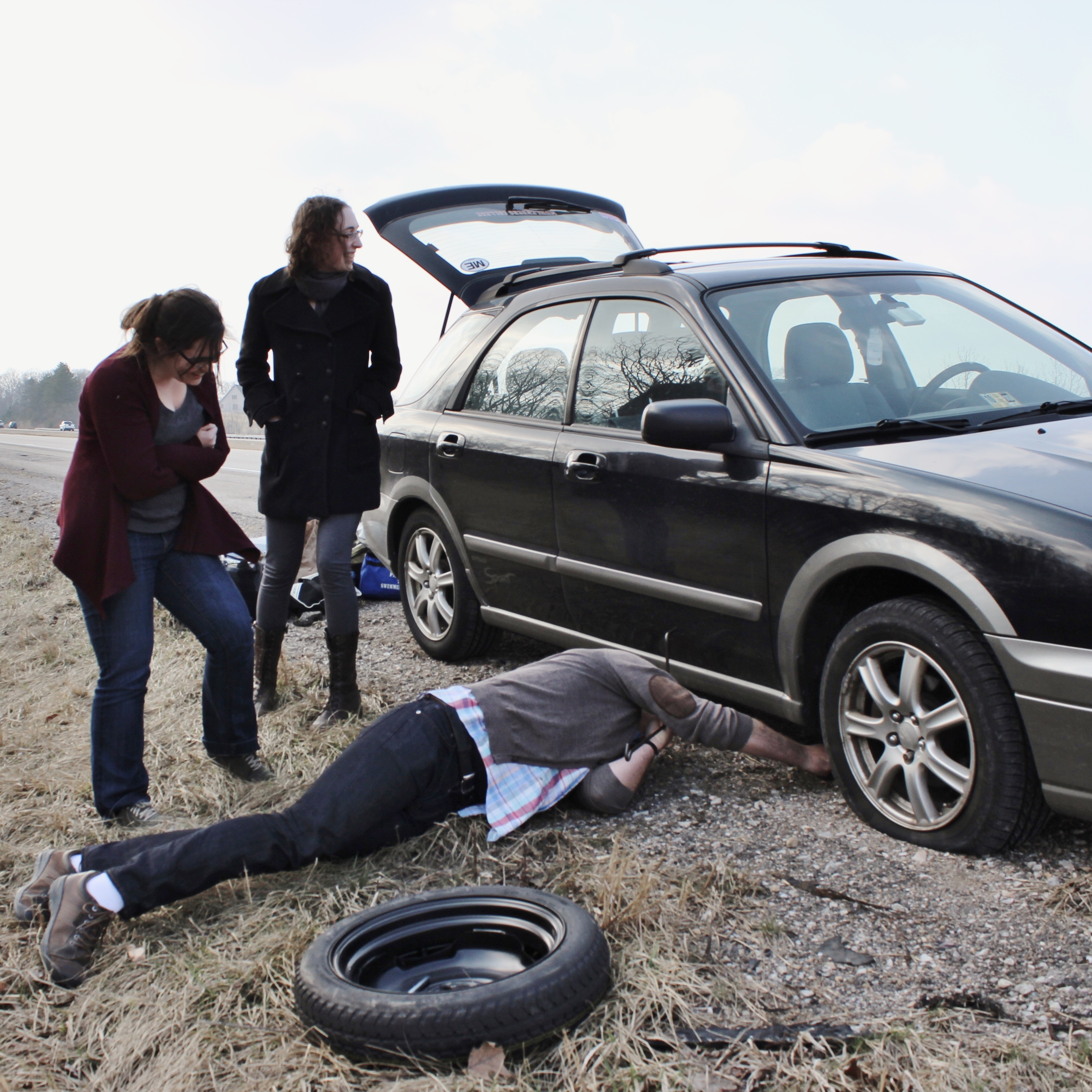
Rather, I meant to arrange song titles to mimic a letter, but the intention traveled, and now it’s more of a materialities-of-travel mix, which I suppose is still appropriate to the idea of sending? I tried — and yes, I was inspired to make this after a weekend of music exchanges in long car rides thanks to Cs this past weekend.

Normally when making a mixed CD, it takes hours to factor in every consideration: how well the song titles, lyrics, songs themselves, etc. work alongside each other, along with the individual music tastes of my music-exchange partner(s), among other things. For this mix, I tried not to be obsessive, and sorted my music mostly by song titles relating to mail/networks/materialities (and thus apologize if I overlooked vastly inappropriate lyrics, clashing songs, etc.)…

I’ll burn the tracks onto a blank CD to make it a non-digital thing, as well — I’ll probably fidget with the tracks a bit beforehand — suitable for long car rides in the future. The faux album cover as follows is tribute to my first-year comp friends — I dedicate this mix to you, especially, as materialities of travel caused unexpected hijinks in our conference adventures last weekend.

IMG_1684

Enjoy — or something like it!

Posted in Uncategorized | 2 Comments

Sending Away

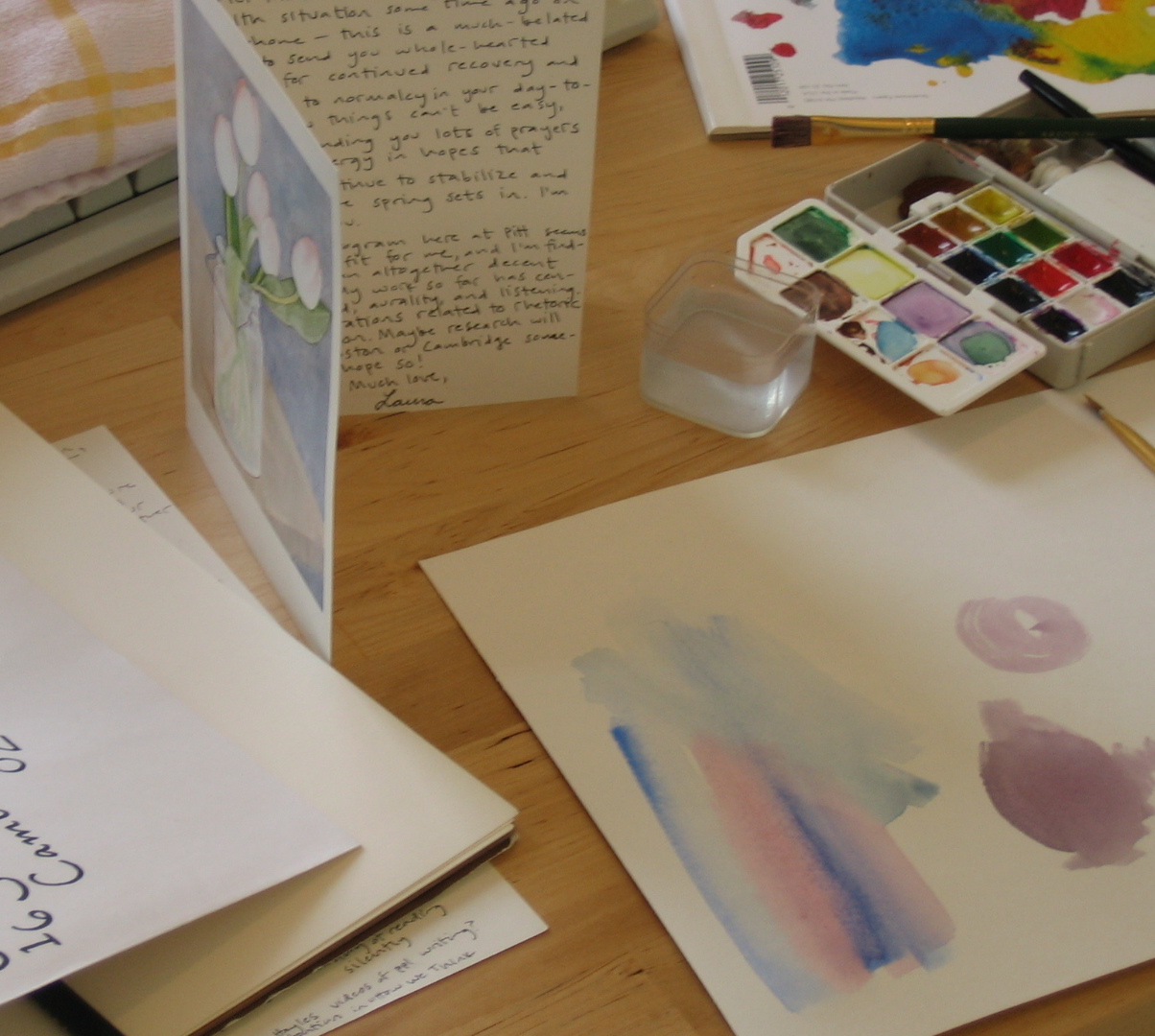
In sending something, you don’t just send it to the other person—you also send it away from yourself. This is especially true of handwritten correspondence through the mail. Unless you take a picture of it beforehand (do you guys do this? I have once or twice maybe), when you send it, it’s really gone. It feels gone. I’ve sent more letters than I can count that I haven’t gotten responses to.

What did I write again? Did I say the right thing? Was I talking nonsense? No way to check, unless you follow up with a phone call or somesuch. With the “coming of age” of literacy in 1874 with advent of the European postal service, as Vincent argues it, more people than ever were able to experience this particular feeling. “Second-Guessing the Mail Syndrome (SGMS),” maybe, but perhaps other people don’t experience the same kind of self-doubt that I do about what I’ve written, and whether it will still be effective once it’s gotten where it’s going.

I once dreamed about some sort of Mail Monster. It lived in Vermont, because that’s where I was when I dreamed this. It shredded letters, willfully entrusted to the country-road mailbox, from daughters to mothers and lovers to lovers and all other combinations of senders and recipients. The letters were never received, and the would-be recipients thought the senders didn’t care about them, while the foiled senders held out a hopeless hope that they had been read and understood when in fact their writing was never received. A nightmare of solipsism, in the style of a German fairytale.

Another postal anxiety I have is that somehow my written words will be different when they arrive in the recipient’s hands. That they’ll somehow have been scrambled, mutated, or possessed somewhere in the handling process, and end up saying something quite different from what I intended.

Today, I wrote and sent a belated get-well card to a friend who dealt with ovarian cancer this past year. I am hoping it gets there, and that everything I wrote will still mean what I meant it to mean. Perhaps what I’m musing on here in this post is the middlemen, the handling, the trust that we place in the postal service to do right by our correspondences. I’m sending my writing away from me, and I can’t check up on it anymore, unless I find my card on the mantle of the house I sent it to, startlingly familiar, when I am next there.

IMG_4644

Posted in Uncategorized | Comments Off on Sending Away

Sendings.

First, I’ll tell you about the thing I did not do: I did not send a letter to my grandmother’s English cousin Beryl, who lives in Birmingham, the last, to my knowledge, of the English family that the American side of the family still actively keeps in touch with. Well, it’s just my grandmother that keeps in touch, but I’ve been thinking lately that I should write a letter introducing myself, and reestablish the epistolary practice that kept the ocean-sides of this family in conversation with each other through the better half of the twentieth century.

But I did not do this, not yet, because a letter—a letter like that—takes me a long time to write.

What I did do, have done, for the past twenty-four hours, is track all of my sendings (you’ll see it wasn’t hard to do). In a way, though a letter to Beryl would be more lyrical, more full of history and intention, I’m more interested in this twenty-four hour accumulation. It’s the slight exception—for instance, I sent three pieces of mail yesterday, two having to do with taxes, one an author-publisher agreement for a lit journal, all three things sent at the behest of others and so not an entirely accurate representation of my everyday networks—but it demonstrates well the various kinds of information I send (and, presumably, receive) and by what channels on a daily basis.

The tally:

3 pieces of snail mail: 1 to Indiana, 2 to Hammond, NY.

8 text messages: to 2 different people, accounting for 3 separate conversations. (I assume this number is far lower than the number of texts most of you sent in the last 24 hours. I’m not much for texting.)

5 emails sent from Gmail: to 2 different recipients. Scanned attachments of a 1099 and a 1098 accompanied 1 of these conversations (is it tax season or is it tax season). I sent the other email to a professor.

3 emails sent from Pitt webmail: replies to 3 different people, all students, though not all current students.

And that’s it. Other possible sendings that might have taken place in a different 24 hours: a Facebook message and/or group email to friends from far and away making wedding travel plans (to do); a postcard to a poet friend somewhere in the mountains around Missoula, MT (to do); a catch-up email to another poet friend living in Portland, OR (to do); several replies to people from the North Country emailing with interest regarding the public memory project (for the time being, I’m caught up); 3 emails to professors that I’ve been meaning to set up meetings with for weeks now (to do, to do, to do); and that letter to Beryl (someday—soon).

Posted in Uncategorized | Comments Off on Sendings.

First Do No Harm.

While the first year Comp. PhDs [5 total] were at C’s, we stayed with some friends of mine, a couple–Matt & Amy.

Amy is a nurse, kind, yet outspoken. Matt is a high school English teacher, appreciates good beer, and likes to give me a hard time about everything, all the time.

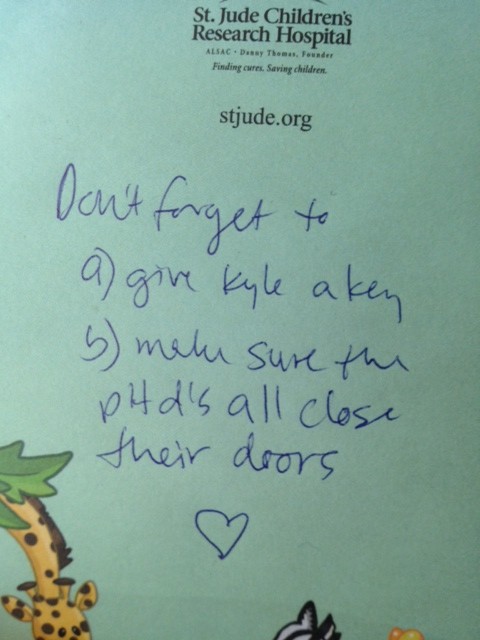
Below is a note I stole from the coffeetable the first morning we all woke up. It’s from Amy to Matt.
photo (3)What’s funny about this particular bit of writing, to me, is the way we’re referred to, collectively, as “pHd’s” and that we’re not all that good at shutting doors. (Doors needed shutting because they own two huge dogs which would walk in, hair stuff up, slobber, etc.)

Since returning home, I haven’t been able to find the actual note, but I have the photo I took of it. This bothers me. The photo is not enough.

What’s failing me here is my memory. And my filing system, awkwardly enough. My filing system consists of putting pieces of paper in the most convenient place, even if that means the offhand book I’m holding or a pocket. And so on.

Posted in Uncategorized | Comments Off on First Do No Harm.

Lesser Pittsburgh Documents

A final project I embarked upon last semester titled “Spectacles of the Studious Dead: A Gestural Abecedary” continues to haunt me. In letter V of my alphabetical arrangement of postmortem imagery, I delved into “Visuality” via close readings of Stan Brakhage’s “The Act of Seeing With Ones Own Eyes” (links to full film — squeamish, beware). This behind-the-scenes look at a Pittsburgh morgue was the final installment of Brakhage’s “Pittsburgh Documents” trilogy — all three invite viewers to gaze upon critical industries in the city (hospital, police force, morgue).

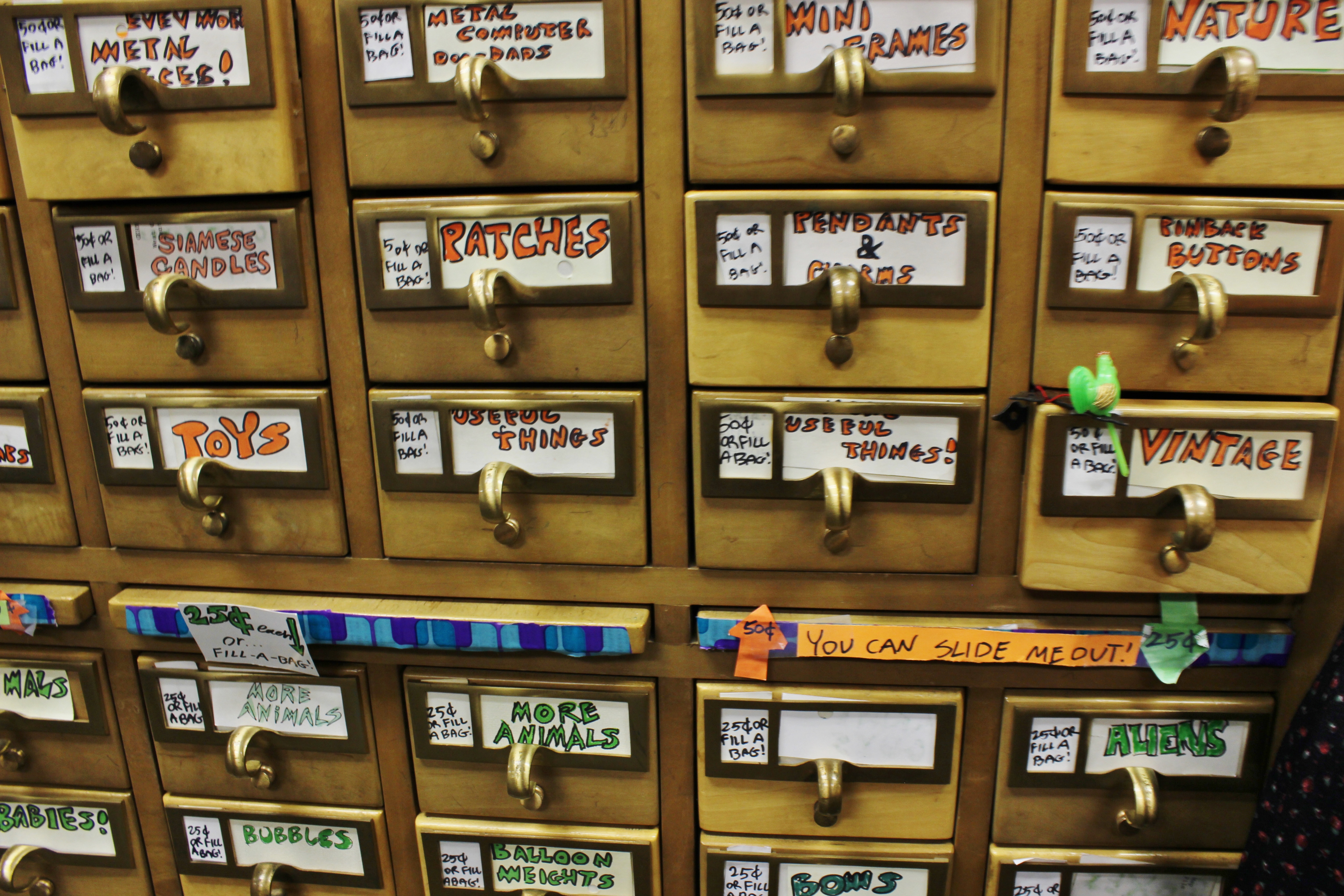
Reviewing Brakhage’s “Documents” led me to my current project — image- and materials-saturated arrangements of places in Pittsburgh that have been essential in forming my relationship and experience with the city. Instead of crucial industries at large, I’ve honed in on quirky locales dear to my heart:  1. Biddle’s Escape, my neighborhood cafe and bead store, 2. The Center for Creative Reuse, donation-based community craft store (discovered thanks to Noel), and 3. La Hutte Royal: incredible three-story art installation converted from a squatter’s house with found and original artifacts (including a portion where you crawl through a fireplace and what appears to be a sideways filing cabinet).

Instead of moving film, I’ve used snapshots and word-arrangements. They’re works-in-progress, to be sure — in several more revisions, they might even begin to resemble actual poems. I follow forms for ease of filing. Without further ado:

BIDDLE’S LIPS | A LOOSE GHAZAL

trip inward to speak for singing bowls
silenced by high walls and frigid lips

blood-orange rooibos is iced before
creamsicle-melt on the dog porch slips

call forth mesial drift in monochrome:
toothy leers splinter such wooden lips

glass beads dangle above dictionaries in desuetude
– what a life – a sign over the lavatory quips

catalogue catcalls, a fractured ekphrasis, sunchoke spills:
distractions from which to seal not ears nor eyes but lips

lockjaw stops your singing bowl at the door; through
the window, black caulk mounts mosaic lips.

IMG_1552

PARADELLE FOR CREATIVE REUSE

mannequin arms scattered syringes and
undervalued vintage with detached airs
detached with vintage airs and scattered arms
mannequin undervalued syringes

taxidermy duckling tickles your eyes only
pay in stained catalogues, get lard for soap
only pay your duckling in soap catalogues
taxidermy your stained eye for tickles

community handbaskets full of ditched eggs
loitering by doll bassinets, bags in the back
doll community ditched handbaskets full of
bags by loitering back in the eggs bassinets

soap only doll arms detached of tickles and
stained syringes, get back in ditched catalogues
your handbaskets by the vintage duckling
full in lard with scattered airs for bassinets,
mannequin loitering eggs pay eyes
bags undervalued taxidermy community
IMG_1203

TOPOI TURVY: TO LA HUTTE ROYAL

math tosses us each turn:
we reached a river to find
the road on the other side of the fence
stop: turn: come again

we should be on the road,
not at the river
each attempt at arrival is
overridden by
circular commands
prolixity
tongues

*

you’ll have questions
don’t ask them
before the portraits
without faces

ignore all stairs –
crawl through the fireplace
to hang upside down
in a sideways file cabinet
       act as a file
for the blood rush –

grip tightly
haul yourself
through the trash barrel
mind the pickled onions

*
we imagine this is a caper flick but
leave the calipers overhead
don’t disturb the decorative
books or these records
original to squatters or
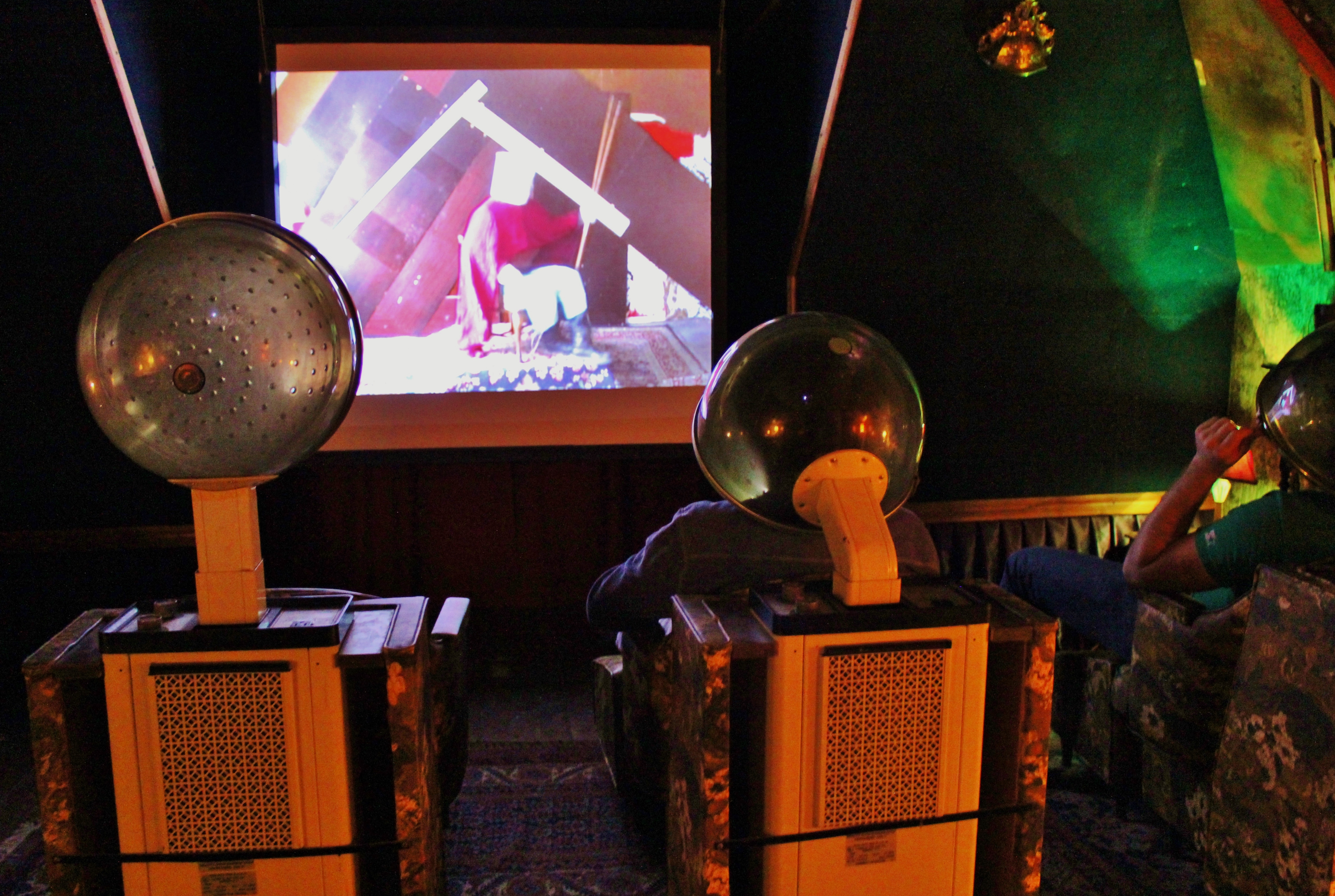
these spinning ears on sticks:
original to squatters

*

the basement
flooded with the river
you brought to us
terrific
unsolicited donation
dry your hair in a
performance of relaxation
heading out
IMG_0690

Posted in Uncategorized | 2 Comments

documents

I have underlined in the Nelson essay, on page 144, “Thus it may help integrate, for human understanding, bodies of material so diversely connected that they could not be untangled by the unaided mind.” and then I wrote next to that “cleanliness & ease.”  I’ve written about it briefly before, but I have, within my Documents file a bit of a labyrinth of files.  And I would say I do it for a clean look, and the ease of knowing which category to look in for a specific thing, instead of scrolling through a whole bunch of documents.

The first level is general: a creative writing file, an article writing file, the file I had for work for a former employer, a file titled GRAD PROGRAMS that has all my stuff from applying to grad school (and it seemed a good idea to keep personal statements, for future reference and ideas), a title for my Pitt work, a file for job stuff like resumes, a Microsoft User Data file, a misc file, a RDC Connections file, a Scanner Output file, a file for my undergrad work.

The Microsoft User Data, RDC Connections, and Scanner Output files are all made by my computer.  I don’t mind them.  Scanner Output has nothing in it, I’m not sure why because I’ve done substantial scanning but I don’t know if my scans would be input or output.  While I don’t mind these automatic files when I looked online just now to find out what a RDC Connection is the first thing I came upon was an Apple forum titled “getting rid of the Evil Microsoft rdc connections folder”.  https://discussions.apple.com/thread/3242111 According to user excelcius while s/he does not want to get rid of the file completely in case s/he wants to use it, at present “what Im trying to accomplish is stopping Microsoft messing up my documents folder with its ugly named files which have no place in my filing system” so some people do apparently get annoyed at these files (although I think you can rename them whatever you want).

The misc, jobs, and former employer files have no further files within them.  All others have at least one.  Not surprisingly, my creative writing file branches out the most.  The first level within the writing file has four files: “other”, “personals”, “poetry”, “prose”, and also an Excel spreadsheet for keeping track of submissions.  The “other” and “personals” file then have only documents within them, “other” less than 10, “personals” less than 15, poetry has one other file, “Intro to Poetry” which I sort of remember taking from my undergrad file (titled “school”) and putting in there.  “poetry” has fifty documents.  Then “prose” has four files: “Finished” “In Progress” “[my undergrad school]” “Unfinished (Open-ended)” and two documents: “Manuscript front pages” “The Manuscript” which I could have put in the Pitt work file but as all the documents for the manuscript are in this file it is much cleaner to have it here.  So these four files are very key to helping me stay organized with my writing.  Additionally, it is so satisfying to move something from “In Progress” to “Finished.”  Within each of the four files there are some additional files but mostly documents.  Those additional files are for certain stories that had a lot of drastically different drafts, although I do think it is very satisfying to see a large amount of documents–my growing output!–so I don’t think I’ll do any more of those story files (as I was recently considering) and instead just keep them together via having the same initial part of of the document title being the same (with add-ons such as numbering, (short), EDIT, rewrite, new, Final, et cetera).

Posted in Uncategorized | Comments Off on documents

An Archive of Nightmares

Cornelia Vismann, Files

This nonerasable file […] remains the final threat for the functionaries of the Stasi apparatus. Their last and only hope is that their files may be canceled on Judgment Day, when our sins are erased (exaleiphein) from the divine record that registers all our deeds.

Only a consciously committed breach of the rules is able to defer the collapse into total order and thus grant the civil servant-comrades a last lease on life.

Heiner Müller

I had a dream last night. It was a nightmare

Then I woke up and all things were in order.


I am fascinated by the beauty and strangeness that runs through Vismann’s discussion of the Stasi Files. Her descriptions revel in the uncanny elements of bureaucracy, of a world that is built from the ground up on files and “data subjects.” Certainly, totalitarian states represent an extreme realization of this kind of order, where organization and ideology collapse into each other. However, a system and concept of filing can continue even as the ideology of those who developed it is left behind, as Vismann points out as she moves through the events of the chapter.

I am drawn to the way Vismann turns to language of the supernatural, mythic and religious in her final statements on “Data Protection.” Perhaps my interest is related to the fact that I just finished binge-watching the first season of American Horror Story, but the morbid inevitably in the dialectics of Müller’s poem (and Vismann’s explanation of said poem) inspired my “archival” creation. The bureaucratic official who gives the instructions in the poem has a nightmare that gives way to order upon waking. But, this order itself is the nightmare because it erases the official as subject entirely. To preserve himself, the official attempts to reintroduce disorder to the dialectical world by ordering another civil servant to commit suicide in a chaotic and disruptive manner. This disorder is supposed to ensure the continued relevance, employment, and thus existence of the official. However, at the end of the poem, we are left with the nightmare of order and the loss of the subject. (I think.)

After finishing Vismann, I began to think about the writing habits we shared with each other at the beginning of this course. So many of us take handwritten notes during class, despite the fact that we never look at these notes again, never use them as a reference. I tried to think back to when this habit began in my case. During high school, I did return to my classroom notes. In a school system where grades are handled in a mass and bureaucratic manner via scantron testing, note-taking is quite important to “success.” I needed to know the answers to test questions, these answers were given to us during class-time to be studied and memorized before test day.

If a binder counts as a filing technology, what of a spiral notebook? Do I use this technology as a filing device despite the limitations of its material properties for this task? In high school and undergrad, I had different spirals for every class. Sometimes, I would bring the wrong spiral to a class. I wanted to make sure only notes for “Biology” were contained within the “Biology Notebook,” only notes for “History” were contained within the “History Notebook.” And I wanted to have notes for every class session to ensure a good grade so I could be a worthwhile subject who was “going places” etc. So, I would take notes in the wrong spiral, then, later, rip out the misplaced pages and paste or tape them into the correct linear space within the correct spiral. Why did I not use binders? I thought they were too big and clunky to carry around I guess.

For this signment, I have decided to turn my ordered spiral for note-taking this semester into a nightmare of disorder. When I was a child, I would have vivid and terrifying fever hallucinations. Any time my fever rose about 100 degrees, I would see things, living nightmares in the real space of my room. I have tried to remember as many of these hallucinations as I could. I wrote each one on a ripped out, unused page from my spiral and taped it over a page of notes from class. (I’m never going to look at the notes anyway.) These hallucinations certainly disrupted the order of the world as my human brain perceives it on a fundamental level. I have disrupted the reassuring order of my spiral, which informs my day-to-day life, my profession, in a way that helps me understand myself as a subject in a working and practical way. However, this disorder is on the surface level. Underneath the additional sheets of paper, the original pieces of paper still form the backbone of the spirals materiality and functionality. They connect to the spiraling loops, they allow me to complete the familiar action of flipping pages. They keep the spiral a spiral.

Posted in Uncategorized | Comments Off on An Archive of Nightmares

Sort by:

So I sort of went about this backwards.

The latest single from tUnE-yArDs was released today, and I played it for my roommate (and suddenly no one is surprised that I made the Pitchfork Bot). Because neither of us could quite remember Merrill Garbus’s name, I ended up on Wikipedia, and that’s when I noticed something – re-noticed something – interesting.

files 1


Perhaps it helps that I’d just read Shannon Mattern’s piece and was consequently less concerned with the actual items being filed than the file system itself. All I can say is, I saw “American ukulele players” and knew I had to keep looking. So I looked up a few other public figures who’ve been important to me.

files 2Albus Dumbledore, for example.

files 3


Or Alexander McQueen.

files 4Or Gilda Radner.

There’s something fascinating about the implied binaries here. Not strict binaries, of course – the “American ukulele players” vs. “non-American non-ukulele players” spectrum is limited. But still, these figures and characters are defined by the things they are, and conversely the things they aren’t. Dumbledore is a fictional gay man, not a real straight one. Gilda Radner died from ovarian cancer, not from any other disease.

So what I’m presenting as my file, then, isn’t actually a list of objects so much as a way of thinking about them. The same document could be filed in seventeen different ways, if we use Gilda as an example, and that says cool things about Nelson’s idea of the impossibly large knowledge bank. And frankly, are any of us going to get to the bottom of the Fictional Gay Men well? Or the Male Suicides? When we categorize Wikipedia pages like this, there isn’t really anything more than a symbolic gesture towards completion. The pages are always being updated. (My personal favorite Wikipedia portal header is the one for serial killers – “Please do not add to this page by killing anyone.”)

I guess what I’m trying to say is, the problem isn’t even so much things are folders, if that makes sense.There’s a point at which the one overtakes the other, I think. And whether Merrill Garbus is a Wonky Pop musician or a lo-fi music group doesn’t really matter so much to my experience of her song this afternoon with my roommate. But neither is it inconsequential. Categories aren’t ever just structure. But you already knew that.


Posted in Uncategorized | Comments Off on Sort by: