-
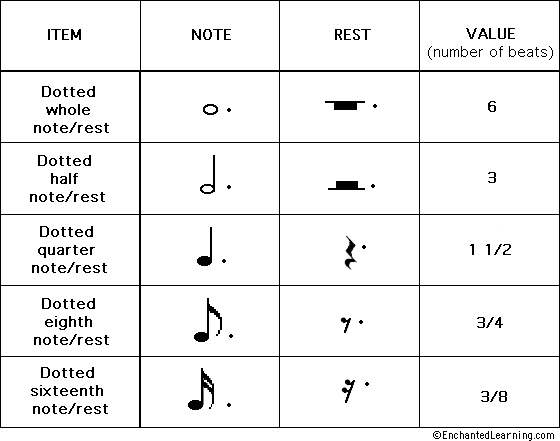
“Dot[ted] notation” right?
Wrong. But kind of.”my_problem”.Upper()
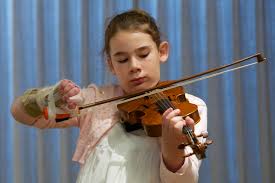
- The imagined precision of musical notation is spatial, temporal. When played, the proficient listener can deliver immediate feedback, like that
wretchedawesome console thing.
“Great work! Now that we know how to store strings, let’s see how we can change them using string methods” (Weinstein).

- A framing command “turns strings into non strings.” But I can’t reduce Python to a spatialized system in which each command occupies a unique niche in a synchronic field, like the notes of keyboard. It is “calculators that just stick to numbers,” while Python’s string formatting opens up avenues of authorial choice.When you want to print a variable with a string, there is a better method than concatenating strings together (Weinstein). Comparing and selecting from among methods, making authorial choices. You could consider it style (Vee). Like having more than one way to say something. Or more than way to play the same note.
 No, no. It’s “raw input” that let’s you really do stuff with python. It establishes a real-time relationship between the code being manipulated within the editor and the output of the console.
- Like a draft that displays chances of publication as you write.

- Ok. I will break this down for you all: Print doesn’t mean print in Python. Which makes sense. It’s not like people who use computers already think the word “print” has a stable meaning.
- So not a new language, but perhaps a recasting of available language in terms of specifically instrumental affordances.
- PRINT tells Python to grab something.

“That’s great honey. I bet you’ll do fine. You always were so good with poetry, scansion and the like. So what’s the programmy thing called again?” ….. “Why?

Code coils back upon itself. Recursive. Uncanny. But not as scary.